Why Containment Strategy Matters
Advanced therapies are moving from development into commercial production, increasing demand for facilities that protect personnel while maintaining product integrity and meeting regulatory expectations. That balance can be difficult in multiproduct sites, legacy buildings or clinical manufacturing environments where product changeovers are frequent and process definitions may still be evolving.
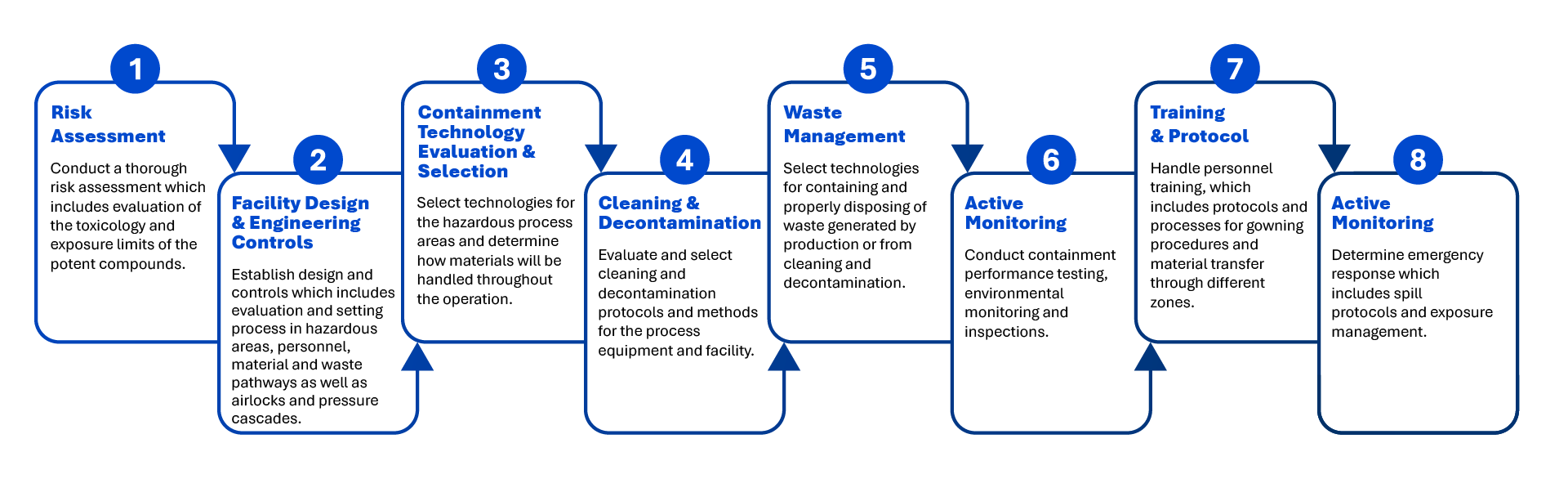
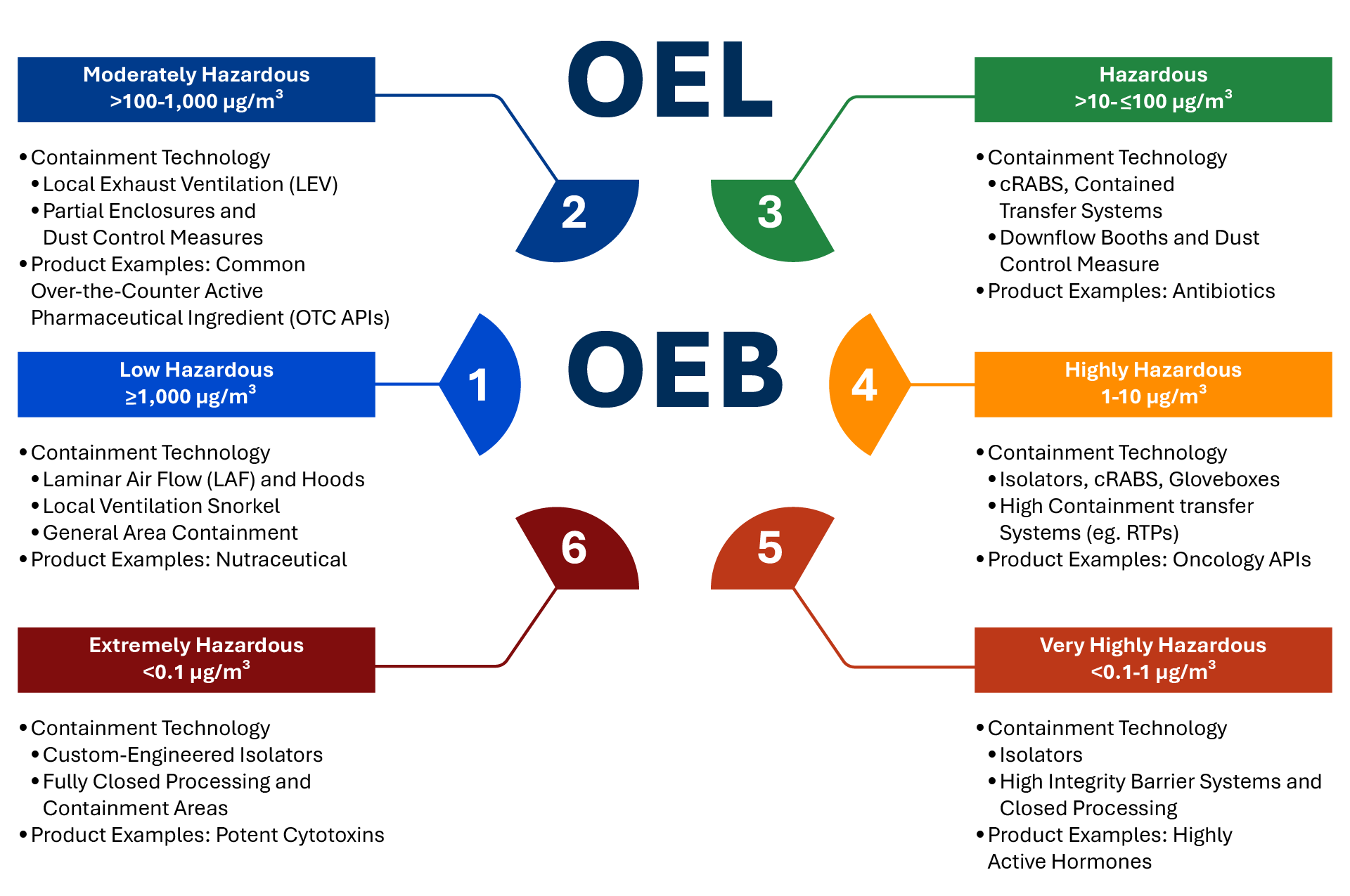
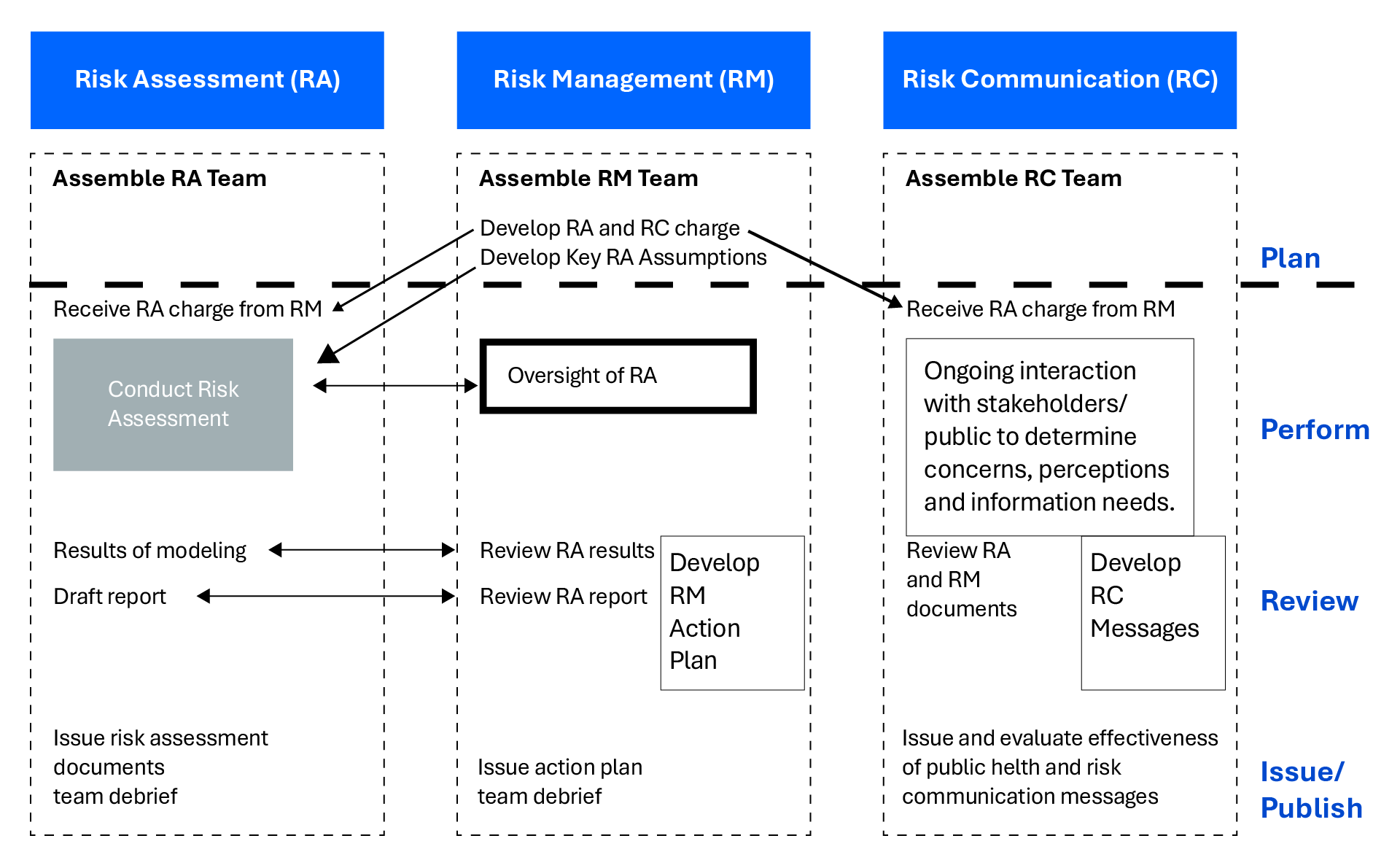
A contamination control strategy (CCS), or equivalent risk-based containment strategy, brings together process understanding, occupational exposure limits (OELs), facility zoning, equipment selection, cleaning validation and operating procedures. It should account for the full path of material through the facility, from raw material receipt through dispensing, formulation, filling, packaging and waste handling. The strategy also should be tested against routine and nonroutine conditions, including maintenance, glove failure, transfer interruptions, equipment cleaning and batch changeover.
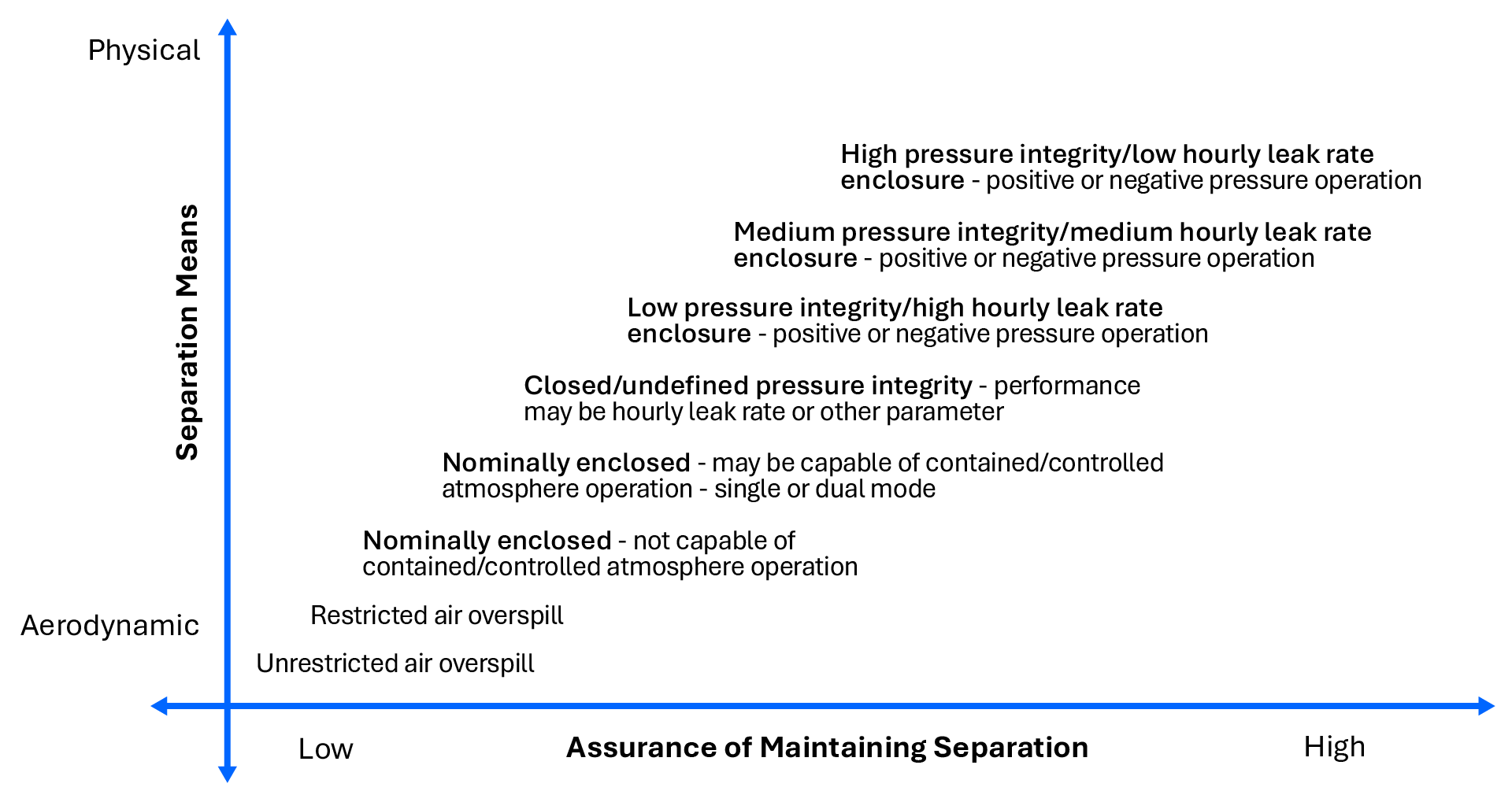
Containment breaches rarely occur only at obvious points. A manufacturing suite may include isolators, pressure cascades and high-efficiency particulate air (HEPA) filtration, yet still face exposure risk during sampling, drum docking, waste removal or movement between zones. A strong strategy looks at those interfaces as carefully as it reviews the primary process equipment.