A thoughtful, well-documented approach early on helps teams navigate these challenges, aligning stakeholders and setting stronger groundwork for successful execution.
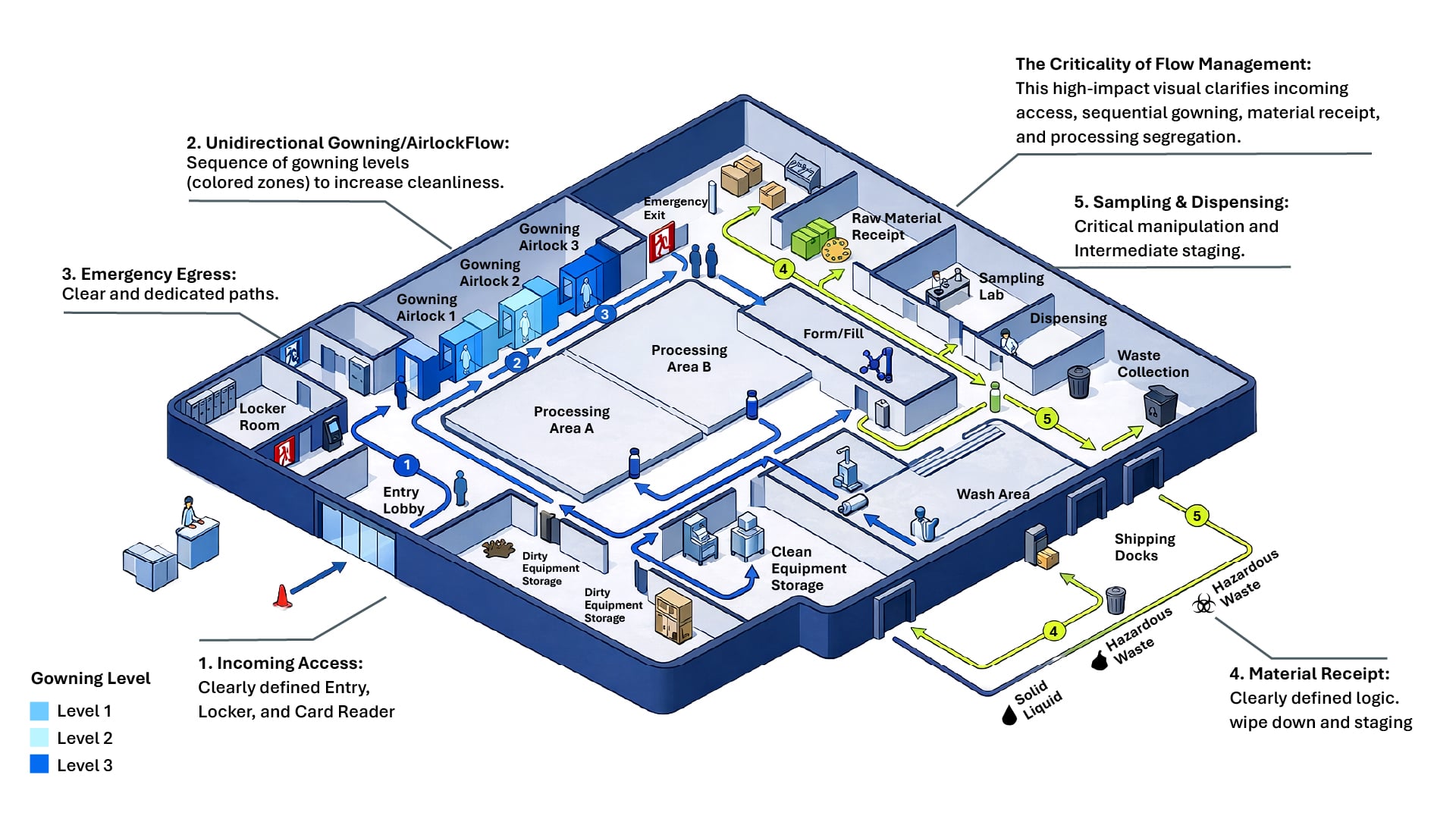
Figure 1: Sample Personnel and Material Flow Diagram
Designing for Controlled Flow
Designing a facility that is both functional and in compliance with regulations begins with a clear understanding of how people, materials and products move through the space. This is particularly critical for renovation projects, as new workflows must align with existing infrastructure and adjacent operations without introducing risk.
Early in design, project teams should document both current and future-state processes in detail. Personnel and material flow patterns, along with key HVAC considerations, play a central role in shaping how the renovated layout integrates with surrounding process and support areas.
Special attention should be paid to the following flow patterns within the existing facility before, during and after the construction implementation phase:
- Personnel
- Raw material
- In-process product
- Clean/dirty equipment
- Waste
- Samples
Personnel flow diagrams should clearly identify incoming access points, card reader locations, locker rooms, gowning/de-gowning air locks, direction of travel (unidirectional vs. bidirectional) and emergency exits. Diagrams should also visually indicate gowning levels via color coding or hatching patterns.
Raw material flow diagrams should, at a minimum, indicate the receipt, sampling, staging, dispensing and wipe down locations, tracing the logical progression of the materials through the process. These diagrams should also capture transfer methods, such as hard-piped systems or portable tanks, as these decisions can influence retrofit complexity. Manual interactions should be documented as well, particularly where Occupational Safety and Health Administration (OSHA) requirements or local equivalents may affect design and cost.
In-process product flow diagrams should systematically trace the product stream from the time raw materials and components show up at the receiving docks, move through the facility and back out through the shipping docks. This level of documentation helps identify open manipulations, transfer points and intermediate staging needs, providing a comprehensive view of how the process functions within the existing space.
Clean/dirty equipment flow diagrams should illustrate how equipment moves through designated areas, clearly showing the transition from dirty to clean and supporting proper segregation.
Graphics should also be generated thoroughly documenting waste flows and waste evacuation philosophy associated with solid waste (corrugate, shrink-wrapping, etc.), liquid waste and any hazardous waste disposal protocols associated with organic compounds, flammables, caustics and biohazard waste.
The client’s own standard operating procedure (SOP) should be referenced where possible and included on the diagram/s to clearly delineate the gowning and material handling philosophy currently employed at the site.
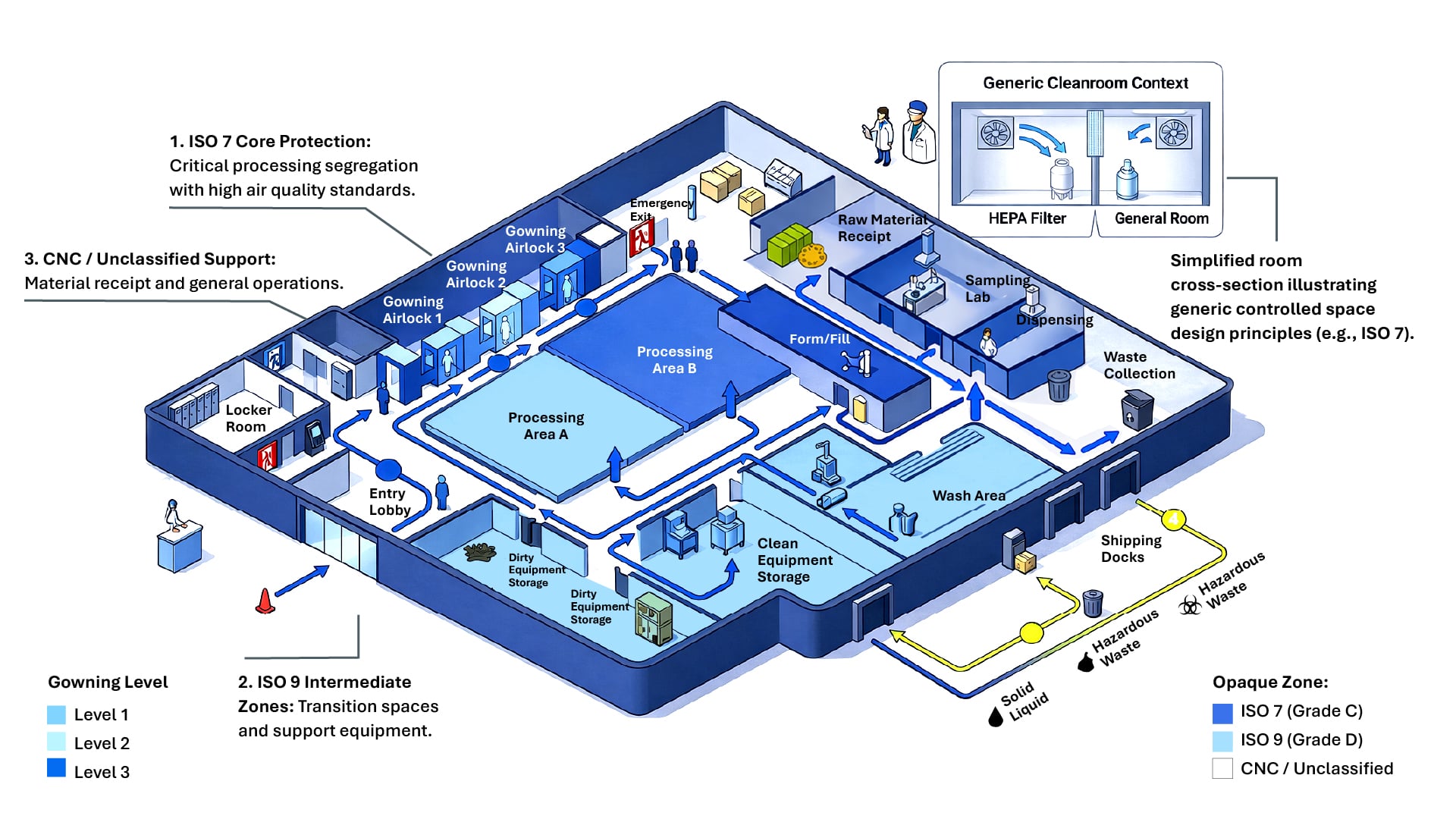
Figure 2: Example HVAC Area Classification Overlay
HVAC Considerations for Regulated Environments
HVAC systems play a central role in maintaining compliance within biopharmaceutical facilities, making such systems essential during renovation projects. Because these systems are often deeply integrated into existing infrastructure, the design service provider should become familiar with all aspects of the facility’s existing HVAC system to accurately define the scope and scale of required modifications to this critical mechanical system.
At this stage, project teams should document key HVAC design criteria, including:
- HVAC area classifications
- Air pressure relationships and differentials
- Air-handling unit boundaries and capacities
- Local exhaust requirements
- Humidity control requirements
HVAC area classifications — defined by the number of particles 0.5 microns and larger per cubic foot of air — should support current Good Manufacturing Practices (cGMPs), which have evolved over time. These classifications are often most effectively communicated through visual overlays on general arrangement drawings, allowing teams to quickly understand how different areas relate to one another.
In addition, HEPA filter locations should be clearly documented, whether in-line or terminal. These decisions can carry regulatory implications, particularly for facilities operating in multiple global markets.
Air pressure differentials are typically designed to cascade from cleaner areas to less controlled spaces, helping maintain proper containment and product protection. Exceptions may apply in cases where containment is required for potent compounds, steroids or specific host cell organisms that fall outside standard Good Large-Scale Practice definitions.
Air-handling unit (AHU) boundaries can be overlaid on the facility floor plan to show which areas each AHU serves. This analysis helps determine whether an existing unit could support the renovated space or if a new unit or once-through air would be required.
Mapping AHU boundaries across the facility helps identify which systems serve each area and whether existing units could support the renovated space. In some cases, this analysis may indicate the need for new equipment or once-through air systems.
Local exhaust requirements should also be documented to aid the HVAC design for the area in question as they can adversely impact room pressurizations and balancing activities if not planned for in advance.
Approaches to area classification have varied historically, even for similar operations. For example, buffer preparation in licensed biologics facilities has ranged from less stringent environments, such as Grade D or ISO 9, to more tightly controlled spaces like Grade B or ISO 7. These variations are often the result of previously unclear regulatory guidance.
Recent updates have introduced more flexibility, allowing organizations to reduce capital and operating costs while still meeting regulatory expectations. Guidance from the International Council for Harmonization (ICH Q7) and the International Society for Pharmaceutical Engineering (ISPE) supports the use of controlled, nonclassified (CNC) spaces in certain scenarios, particularly when processes are closed. In these cases, CNC environments may be appropriate for activities such as nonsterile media and buffer preparation when solutions are later sterile-filtered.
As these options are evaluated, alignment with the client organization remains important. Decisions around classification and system design should reflect both regulatory expectations and the organization’s risk tolerance before being incorporated into the final facility design.
Other factors that tend to have a significant impact to the facility layout from a cGMP and regulatory compliance standpoint include:
- Classification and perceived risk of the host cell organism in biologics facilities (i.e., whether the organism falls under Good Large-Scale Practice or biosafety level 2)
- Segregation considerations (i.e., pre- and post-viral inactivation, live versus inactivated cells)
- Potential markets for the drug substance being produced
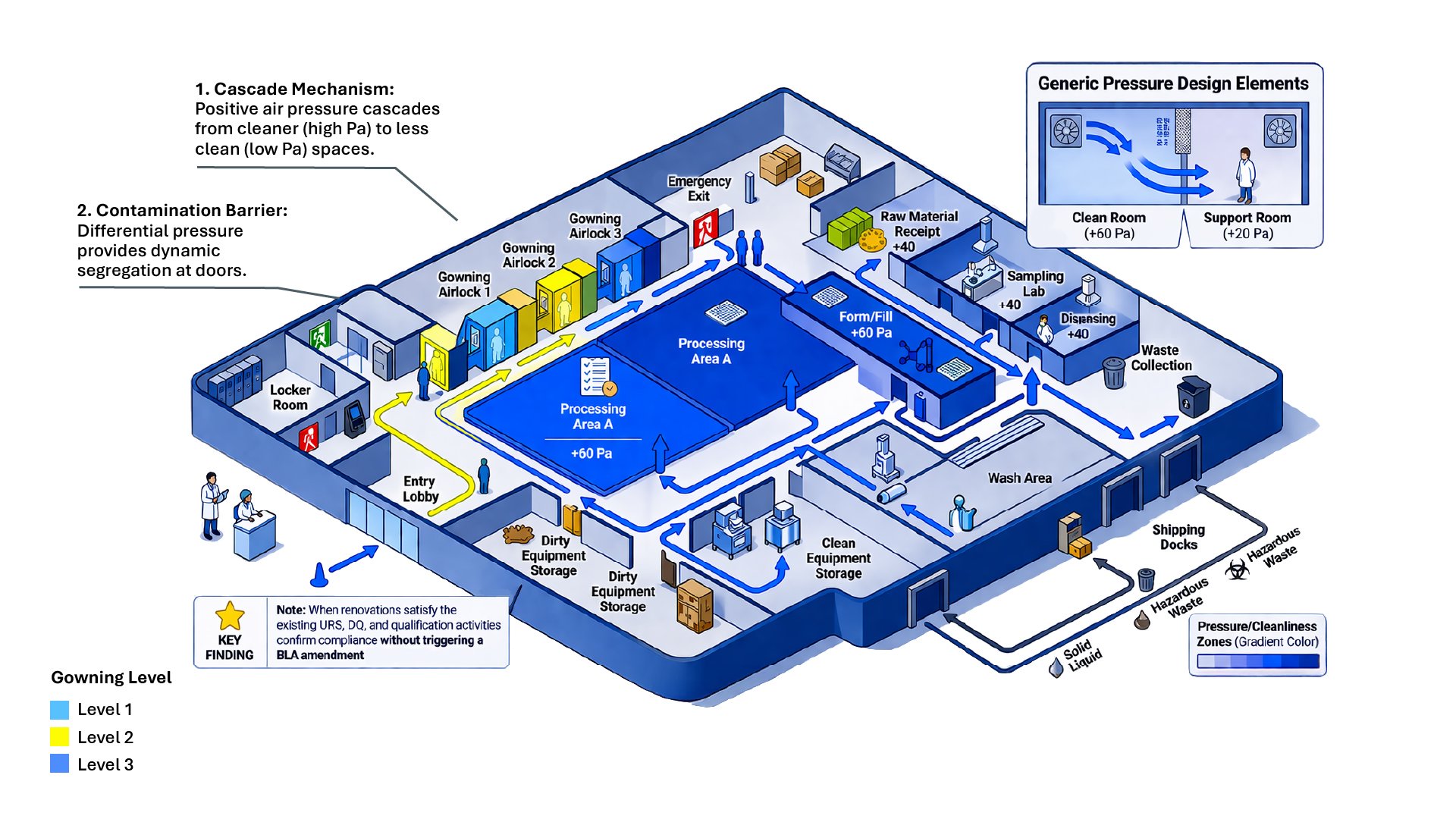
Figure 3: Sample Regulatory Filing and Qualification Process Flow
Regulatory Filing and Submission Impacts
Renovating an existing biopharmaceutical facility can extend beyond design and construction, often introducing implications for regulatory filings tied to the site. The scope and nature of the changes ultimately determine whether updates to submissions such as the Biologics License Application (BLA) or a Changes Being Effected in 30 Days (CBE30) filing may be required. Under FDA regulations, CBE30 supplements allow certain changes to be implemented within 30 days of submission unless additional review is required, making early alignment on scope especially important.
At the core of this process is the User Requirement Specification (URS), which defines the systems, equipment and environmental conditions needed to support the intended process. The URS serves as a critical link between regulatory filings and facility design, translating process requirements into actionable design criteria.
The relationship between these elements typically follows a structural progression, including:
- BLA (biologics license application) facility description. Defines batch size and high-level facility information, but does not include detailed process steps
- DMF (drug master file). Provides a non-formal, non-required document, which describes the process, people, material flow and more.
- URS (user requirements specification). Establishes detailed process requirements, for planned batch size.
- Engineering detail design. Addresses URS for process, flow and environment.
- DQ (design qualification). Confirms that the design aligns with URS requirements and documents any controlled changes.
- Installation, operational and performance qualifications (IQ, OQ, PQ), process validation (PV), and continued validation (CV). Validates that the completed facility performs as intended, using URS-defined criteria as the basis for qualification tests.
When renovating a facility, the project team is expected to satisfy the existing URS. When this is achieved, modifications can often be implemented without affecting the original regulatory filing. In these cases, qualification activities, including DQ, IQ, OQ, PQ, PV and CV, are used to document compliance without requiring a BLA update.
If the URS cannot be met, further evaluation is required to determine the impact on the process. This scenario is uncommon, as facility design is generally intended to support the process rather than redefine it. However, if changes to batch size or critical process parameters are introduced, an amendment or refiling may be necessary.
In practice, many adjustments can be addressed within the URS as documented changes without triggering regulatory updates. Past experience with DQ suggest that minor changes to the process equipment can be absorbed at the URS level as documented change with no process impact without an amendment or refiling. An exception to this might occur where vessel configuration (height, width) could not be changed without incurring a departure from critical process parameters, at which point it would be advisable to change the design to accommodate the requirement.
Given the potential implications, early engagement with regulatory authorities is a valuable step. Aligning on expectations at the outset helps clarify how proposed modifications will be viewed and can reduce uncertainty as the design progresses.
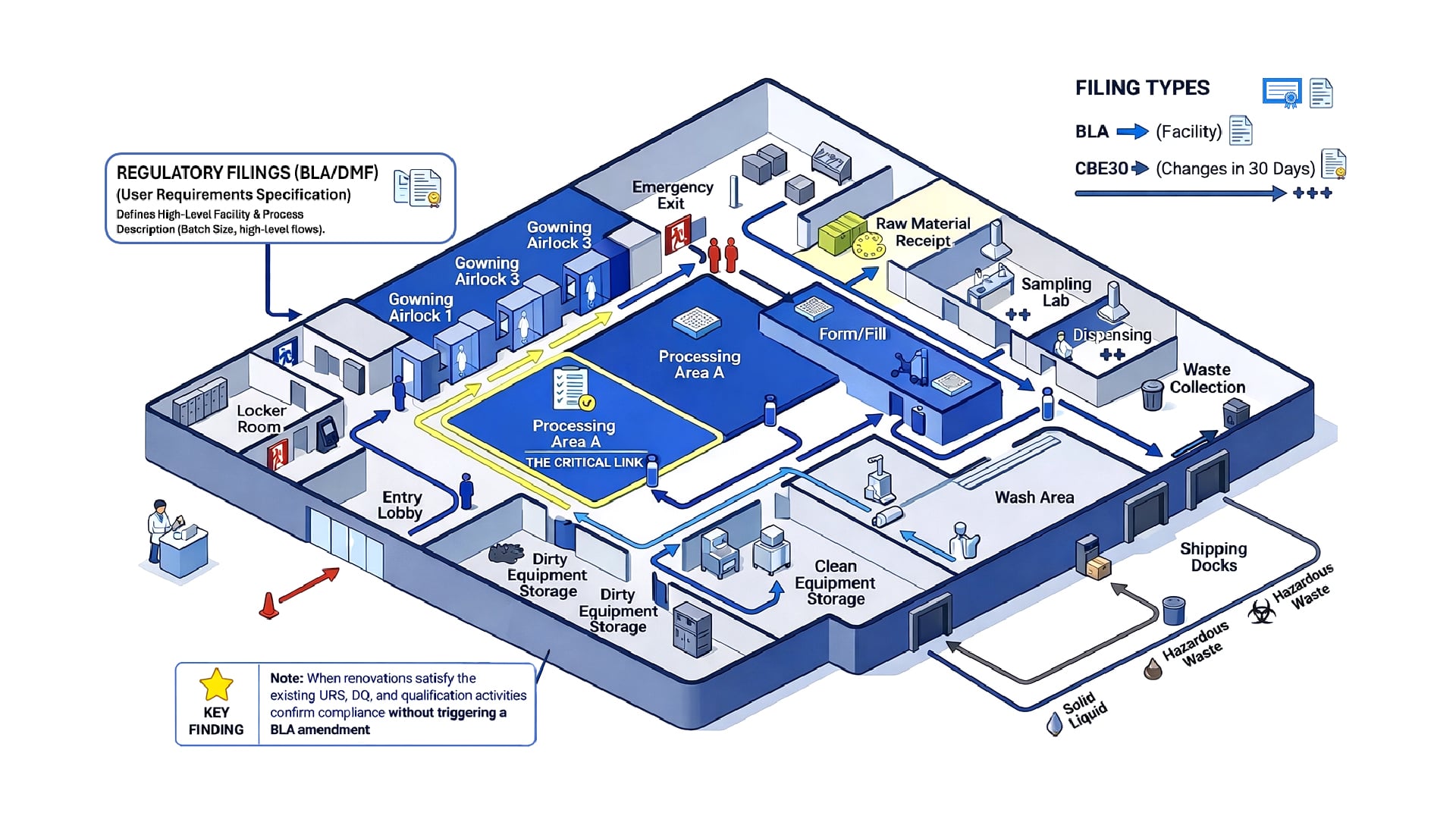
Figure 4: Example Air-Handling Unit Boundary Diagram
Conclusion
As investment continues to shift from new construction to facility upgrades, the ability to navigate renovation within regulated environments is becoming increasingly important. These projects require alignment across process, design and regulatory expectations from the outset. Organizations that approach renovations with a clear understanding of existing conditions, combined with early coordination across disciplines, are better positioned to make informed decisions as complexity emerges.
Success is defined less by the renovation itself and more by how effectively teams anticipate challenges, align stakeholders and adapt within the constraints of an active, regulated facility.
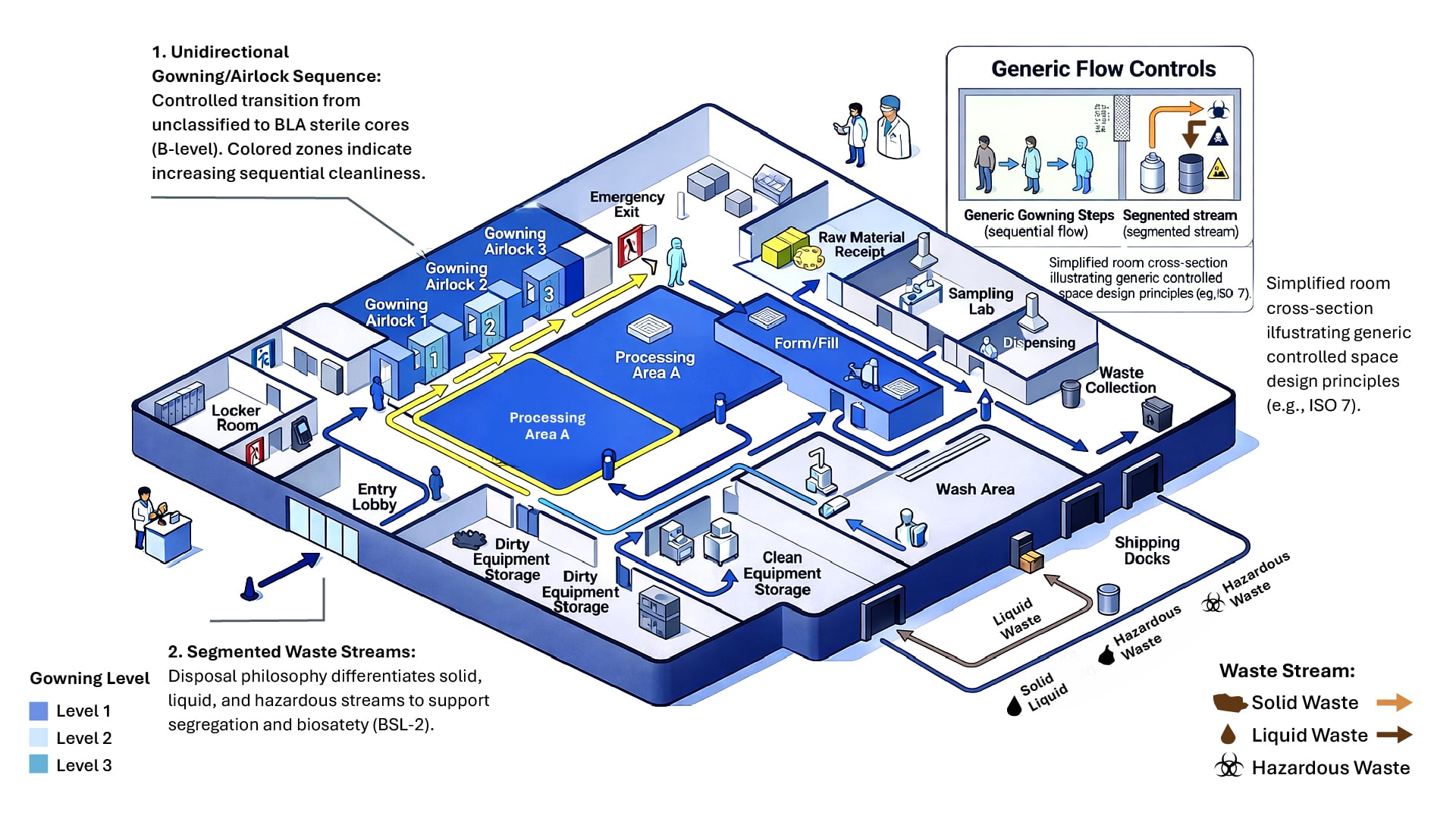
Figure 5: Example Facility Controls and Monitoring Overview