White Paper

Protecting Embedded Structures and Helical Piles From Corrosion

Corrosion can significantly impact the lifespan of helical piles and embedded structures used to support and stabilize transmission and distribution (T&D) infrastructure. Conducting corrosion analyses prior to foundation design can help predict potential risks, thus helping to determine which protective measures would be most effective in protecting foundations from corrosive environments.


Metallic corrosion in the United States has resulted in direct costs of $276 billion in a single year, including $137.9 billion throughout infrastructure, according to a study by the U.S. Federal Highway Administration. Those totals include direct costs of $6.9 billion for electric utilities, with corrosion damaging foundations for transmission lines, substations and other infrastructure.

Transmission and distribution industry professionals cite corrosion risks as a leading reason why they are hesitant to use helical piles and embedded structures in their foundations. Concerns about long-term durability in corrosive environments can make these options seem less appealing.

Despite such concerns, helical piles can still be a sound foundation choice for substations and other structures where high water tables, collapsing soils or other unfavorable conditions render cast-in-place concrete piles impractical. Requiring no curing time, helical piles offer the advantage of immediate load-bearing capability upon installation. Additionally, their screw-like design allows for quick and efficient installation, particularly in confined spaces or near existing structures.

Although both helical piles and embedded structures can be susceptible to corrosion, the application of protective technologies effectively mitigates these risks. With the use of advanced protective coatings, cathodic protection and other solutions, both can be designed to withstand corrosive conditions, extending their lifespan and significantly reducing the cost of maintenance and replacement.


Read More  

Metallic corrosion in the United States has resulted in direct costs of $276 billion in a single year, including $137.9 billion throughout infrastructure, according to a study by the U.S. Federal Highway Administration. Those totals include direct costs of $6.9 billion for electric utilities, with corrosion damaging foundations for transmission lines, substations and other infrastructure.

Transmission and distribution industry professionals cite corrosion risks as a leading reason why they are hesitant to use helical piles and embedded structures in their foundations. Concerns about long-term durability in corrosive environments can make these options seem less appealing.

Despite such concerns, helical piles can still be a sound foundation choice for substations and other structures where high water tables, collapsing soils or other unfavorable conditions render cast-in-place concrete piles impractical. Requiring no curing time, helical piles offer the advantage of immediate load-bearing capability upon installation. Additionally, their screw-like design allows for quick and efficient installation, particularly in confined spaces or near existing structures.

Although both helical piles and embedded structures can be susceptible to corrosion, the application of protective technologies effectively mitigates these risks. With the use of advanced protective coatings, cathodic protection and other solutions, both can be designed to withstand corrosive conditions, extending their lifespan and significantly reducing the cost of maintenance and replacement.

Corrosion 101

Corrosion is a process in which electric charge flows from one metallic surface to another through an electrolyte and metallic path

By conducting a corrosion analysis before designing foundation supports, it is possible to predict and manage corrosion risks. Before reviewing the protective measures for helical piles and embedded structures, it's important to first understand the conditions that lead to corrosion.

Corrosion requires four basic elements: an anode (where corrosion occurs), a cathode (protected surface), an electrolyte (medium containing ions) and a metallic path. All can be present in a helical pile or embedded structure.

In this electrochemical cell, different parts of the structure act as the anode and cathode. The anode, where oxidation occurs, loses electrons and corrodes over time, weakening the steel and leading to rust formation. Electrons lost at the anode travel along the metallic path to the cathode, the site unaffected by corrosion, where reduction reactions take place. Moisture in the soil acts as the electrolyte, facilitating the flow of electrons between the electrodes.

The driving force for corrosion depends on the environmental characteristics present in the electrolyte and its impetus to transfer current between metal surfaces. (See Figure 1.) 
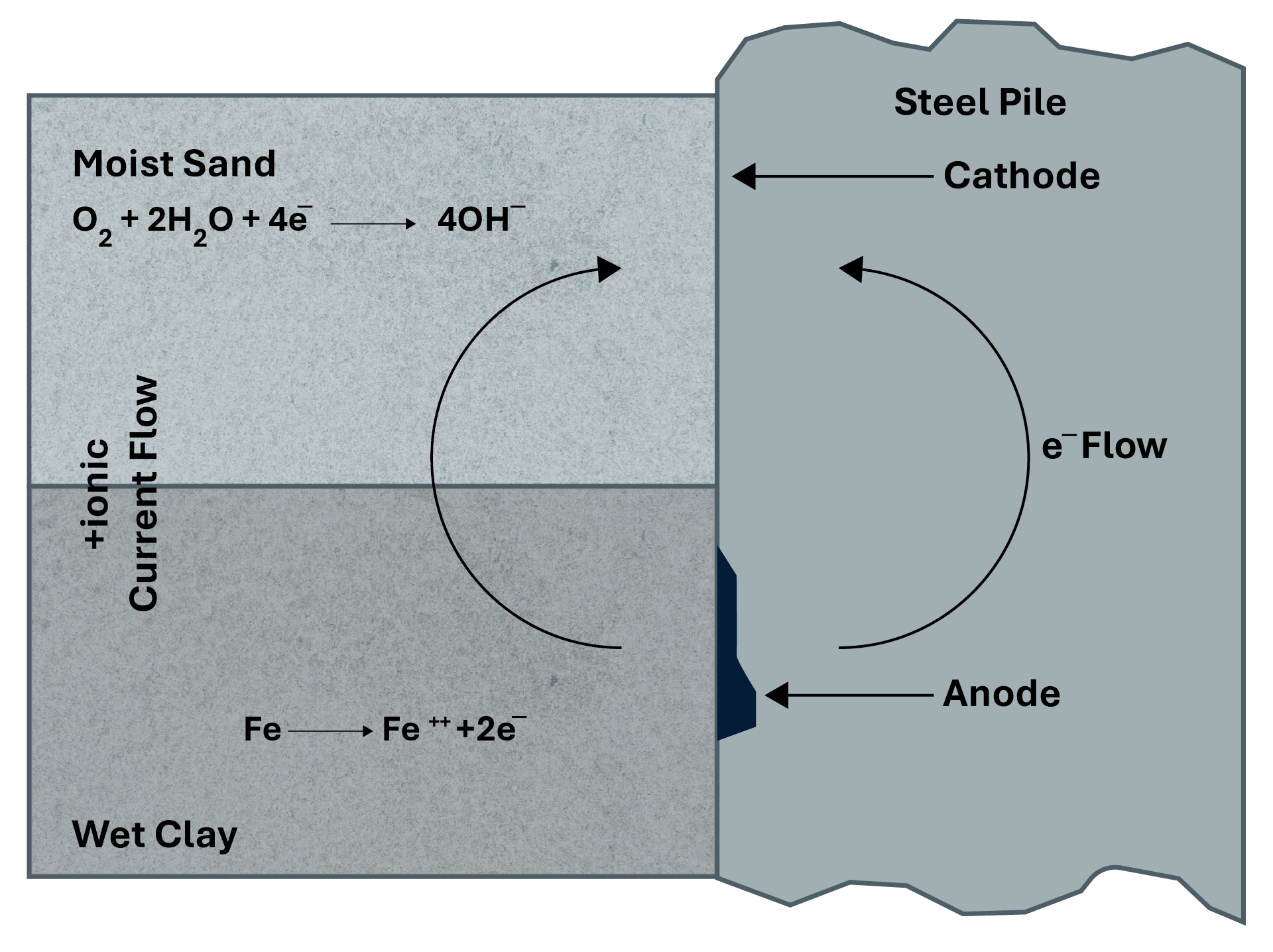
Figure 1: Different aeration cells in contact with a pile contain soil types with chemical elements that induce current flow. (Information source: NACE.)

CLICK TO ENLARGE

Environmental Triggers

Many environmental variables can set off the electrochemical reaction that results in corrosion. Among them:

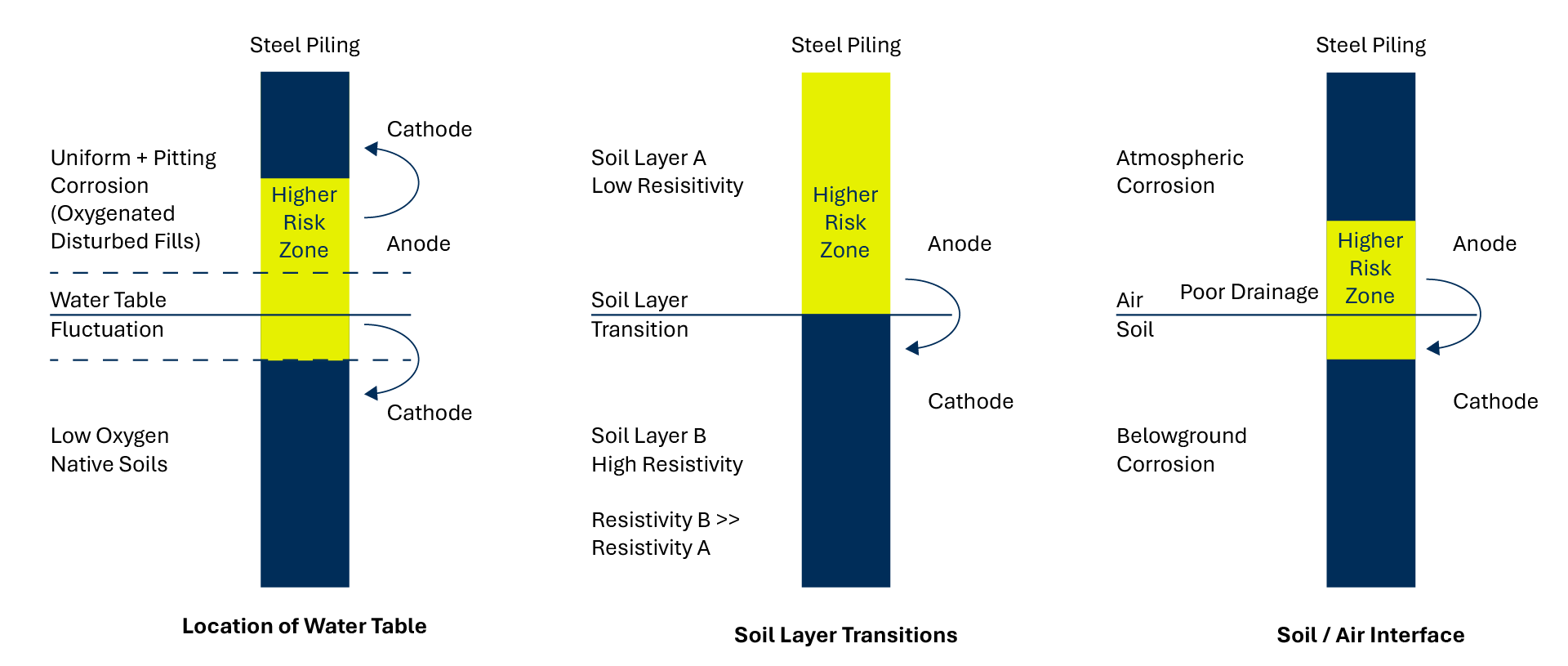
  • Water table position. Soil below the water table generally contains less oxygen than soil at or above the water table, which reduces the risk of corrosion in pile surfaces installed at elevations below. However, when piles straddle the water table or encounter changing soil conditions, the risk of corrosion increases due to a differential aeration cell mechanism. Corrosion will develop at the water table interface where the cathode (oxygen-rich area) is larger than the anode (oxygen-deficient area).

Figure 2: Risk zones may vary based on water table, soil layers and drainage conditions. (Information source: NACE.)

CLICK TO ENLARGE

  • Soil type. Soil type and grain size can influence corrosion rates due to varying amounts of available oxygen within the soil. For example, wet clay generally contains less available oxygen compared to sandy soils. When a pile or embedded structure straddles an interface between clay and sandy soil, an aeration cell develops and corrosion can occur.
  • Soil resistivity. Soil resistivity measures how easily electrical current can pass through soil. Moisture lowers soil resistivity, which facilitates electrical current flow and accelerates the electrochemical reactions that lead to corrosion. Moist soils may also contain soluble salts that further reduce resistivity, increasing overall corrosivity. Conversely, higher soil resistivity limits current flow, which can result in lower corrosion rates. Soil resistivity is not static; it can be influenced by changes in weather, such as rain or drought. Therefore, it's important to consider the conditions at the time of measurement and account for environmental changes over time. Engineers must design for a range of conditions, anticipating how the environment might fluctuate seasonally throughout the year and over time.

Characteristics of soil also can contribute to corrosion. Among them:

  • Sulfates. Sulfates lower soil resistivity, increasing its electrical conductivity and making it more corrosive. This environment can accelerate corrosion of buried steel piles. Soil containing more than 1,000 ppm of sulfate is considered highly corrosive.
  • pH. When steel piles are exposed to the environment, they can develop a thin, protective passive film that guards against corrosion. However, when soil pH is low (< 4), the acidic conditions can break down this protective film, exposing the metal to increased corrosion. Conversely, soils with high pH (> 7) promote the formation of a passive film, which helps reduce corrosion.
  • Chlorides. Chlorides are commonly found in marine and coastal environments, as well as near manufacturing facilities and areas where deicing salts are applied. They lower soil resistivity and can break down protective corrosion films on metals. When chloride concentrations exceed 200 ppm, they significantly increase the risk of active corrosion and pitting.
  • Moisture content. The amount of moisture in soil affects the rate and severity of corrosion. Soil with a water content exceeding 20% by weight is considered highly corrosive and may lead to more uniform corrosion. In contrast, soil with less than 20% moisture can be less aggressive, but can result in more localized corrosion behavior such as pitting.
  • Presence of stray current. Helical piles and embedded structures used in electrical substations and other T&D structures may be affected by stray AC and DC currents from existing cathodic protection or AC grounding systems. These protection systems can unintentionally influence neighboring structures, altering corrosion risks. When designing corrosion solutions for new construction, it's essential to consider and account for any existing stray currents or protection systems that might impact the new structures.
  • Microbiological influence. Microbiologically-influenced corrosion (MIC) is caused or accelerated by microorganisms, such as sulfate-reducing bacteria, present in the soil. These bacteria produce corrosive sulfur compounds as byproducts, which can deteriorate metal surfaces and lead to localized corrosion attacks. Since most MIC happens in anaerobic environments, the lack of oxygen here doesn’t stop corrosion from occurring. Such microbial activity can compromise the structural integrity of steel piles and other metal infrastructure.
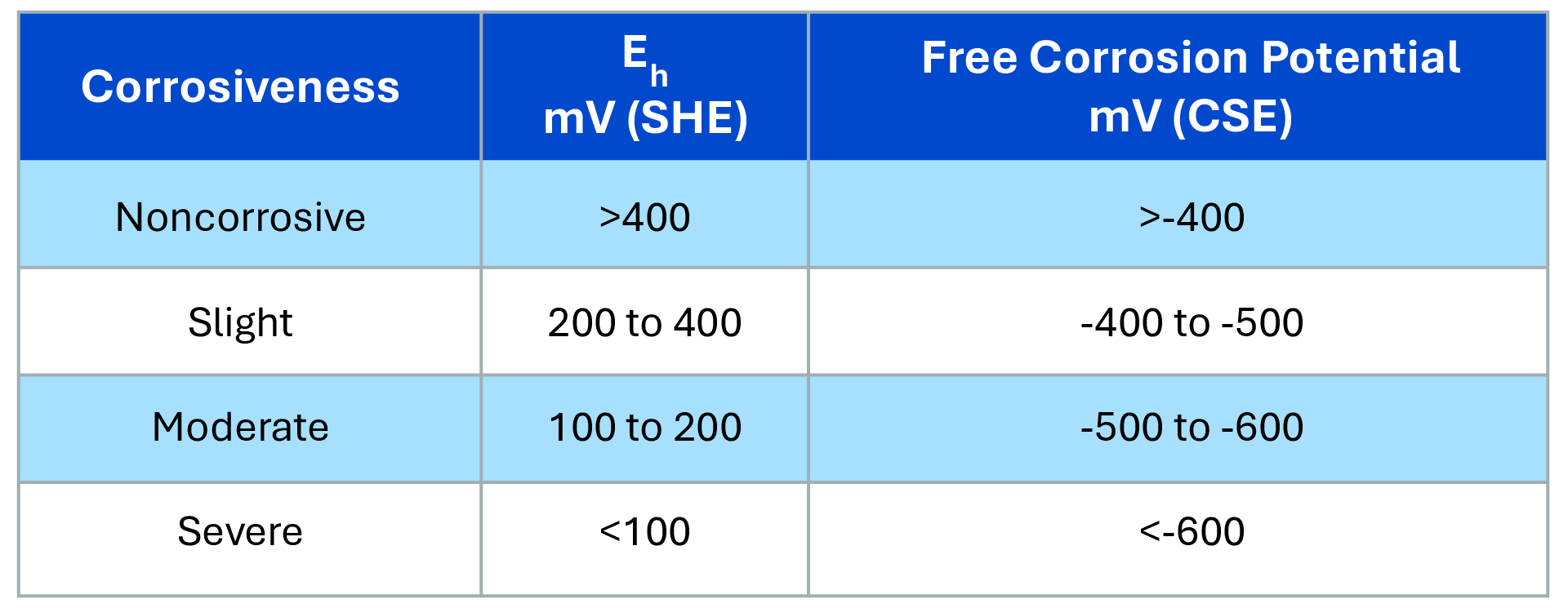
  • Redox potential. Redox potential measures the voltage in soil, indicating its tendency to gain or lose electrons in chemical reactions. This measurement helps assess the soil's corrosivity.


Figure 3: Corrosion risk along steel piling develops in response to key variables.

CLICK TO ENLARGE

Collecting the Right Data

To protect against corrosion, accurate site data collection is crucial. Often, data from standard geotechnical analyses for T&D projects can be repurposed for corrosion assessment, reducing the need for additional investigations. Key data collection methods include:

  • Geotechnical bores. Field borings assess the water table position and soil type.
  • Laboratory. Analysis performed in controlled laboratory settings measures pH, redox potential, sulfates, chlorides, moisture and resistivity.
  • Field resistivity testing (Wenner 4-Pin). This field test measures soil resistivity by inserting four metal probes into the ground, applying current between the outer probes and measuring the voltage between the inner probes. Resistivity monuments with probes at various depths offer a realistic assessment of soil conditions.
  • Review of construction and site conditions. Documenting site-specific factors and installation methods is essential for evaluating how corrosion may affect the pile over time. Key considerations include the depth of installation, whether the pile is driven or helical, the extent of soil disturbance, the presence of grounding systems or dissimilar metals, and exposure to flooded or submerged conditions. Additional factors (such as contaminated or poorly drained soils, conditions at the soil-to-air interface, and the site's history of corrosion) also provide critical insight into potential corrosion risks and inform appropriate mitigation strategies.

A comprehensive soil profile is crucial for accurate risk assessment. Relying solely on a single unfavorable finding can be misleading, especially when other factors, such as drainage and contaminant levels, may mitigate risks. For example, a pile in an alkaline environment with low resistivity but good drainage might have reduced overall risk.

Performing these tests and analyzing the results makes it possible to estimate corrosion rates and determine the need for corrosion prevention solutions. The determination may depend on the desired service life, required steel wall thickness and strength. 

Corrosion Prevention Solutions

By predicting the corrosion losses, engineers can select materials, coatings or design adjustments to minimize risk. Several strategies can extend the lifespan of steel piles, reduce maintenance costs and deliver reliable performance. Common measures include:

  • Increase pile wall thickness. One common solution is to increase the thickness of the pile's wall, which enhances the corrosion allowance (corrosion rate in years x design life). Even if corrosion occurs, the increased thickness helps maintain structural integrity and extend the lifespan of the pile. Alternatively, the same steel thickness with increased yield strength may be considered.
  • Apply a coating or wrap. Applying a coating or wrap creates a protective barrier between a steel pile and corrosive elements. This coating can be made of epoxy, polyurethane, polyolefins, or other corrosion-resistant material. Because piles are particularly vulnerable to corrosion where the environment changes, such as the air-to-soil interface, applying a wrap in these areas can provide additional protection. Structures above grade are less likely to corrode unless exposed to significant moisture or contaminants.
  • Galvanize the piles. Applying a layer of zinc to a pile's outer wall helps protect the underlying steel from corrosion. The zinc layer serves two main functions: it acts as a physical barrier, shielding the steel from moisture, oxygen and other corrosive elements. Additionally, it provides sacrificial protection; if the zinc layer is scratched or damaged, it will corrode before the underlying steel, thereby protecting the steel from rusting.
  • Cathodic protection. Cathodic protection mitigates corrosion by converting the pile into the cathode of an electrochemical cell. There are two primary types: galvanic and impressed current. Galvanic systems use a more active metal, such as zinc or magnesium, as a sacrificial anode that corrodes preferentially before the steel.
    Impressed current systems rely on an external power source and inert anodes (typically cast iron, graphite, or mixed metal oxide) to supply protective current to the pile, where maintaining electrical continuity is essential, typically achieved through bonding cables. Cathodic protection is often used in combination with coatings to reduce current demand.
  • Select corrosion resistant alloys. In certain applications, corrosion resistance may be improved by specifying corrosion-resistant alloys (CRAs) such as stainless steels with sufficient chromium and molybdenum content. Careful consideration of the service environment is essential, as not all alloys are suitable for high-chloride conditions.
Long-Term Monitoring

While annual corrosion inspections are recommended, many organizations conduct them every five to seven years. These inspections typically include a visual check above grade and spot checks by excavating where the pile enters the ground. To assess the effectiveness of cathodic protection, measurements are taken to verify that anodes are functioning correctly and the structure is adequately protected.

Long-term monitoring often involves installing a test pile equipped with sensors or monitoring devices. This test pile serves as a reference for evaluating corrosion rates, coating conditions and the overall effectiveness of corrosion prevention measures. Comparing the condition of the test pile with that of the main piles helps engineers adjust protection strategies as needed.

Another monitoring method involves using corrosion coupons, defined as small metal samples made of the same material as the pile or structure. The test pile can be outfitted with corrosion coupons to monitor corrosion activity. These coupons are installed at multiple depths within the surrounding environment to target areas most susceptible to corrosion, where they are expected to degrade in a manner similar to the actual structure. After a designated exposure period, the coupons are retrieved, and their remaining thickness and other physical changes are measured. This information provides valuable insight into corrosion rates and helps evaluate the effectiveness of corrosion control measures. To improve accuracy, coupons are recommended to be cut from the same batch of steel used for the installed piles, with geometry that closely represents the helical pile configuration. While common practice in the natural gas industry, the use of corrosion coupons is increasingly being adopted across other sectors.

Relevant AMPP/NACE Standards on Corrosion of Steel Pilings in Soil

Several publications from the AMPP (Association for Materials Protection and Performance, formerly the National Association of Corrosion Engineers, or NACE), provide practical design guidance and supporting data related to the corrosion of steel pilings in soil. The following summarizes other relevant considerations and how these standards can be applied to inform engineering judgment in the evaluation, design and protection of helical piles in nonmarine environments.

AMPP SP21460 is a consensus-based standard that outlines best practices for corrosion assessment and control of steel pilings in soils and freshwater environments. Although primarily focused on conventional piling (e.g., H-piles, sheet piles), many of its principles are directly applicable to helical piles, especially where the piles serve as long-term structural elements in contact with disturbed backfill or stratified soils.

A key value of this standard is its structured approach to corrosion evaluation. It recommends a site-specific assessment using the laboratory and field-testing data. From there, corrosion risks can be characterized, and appropriate mitigation strategies selected.

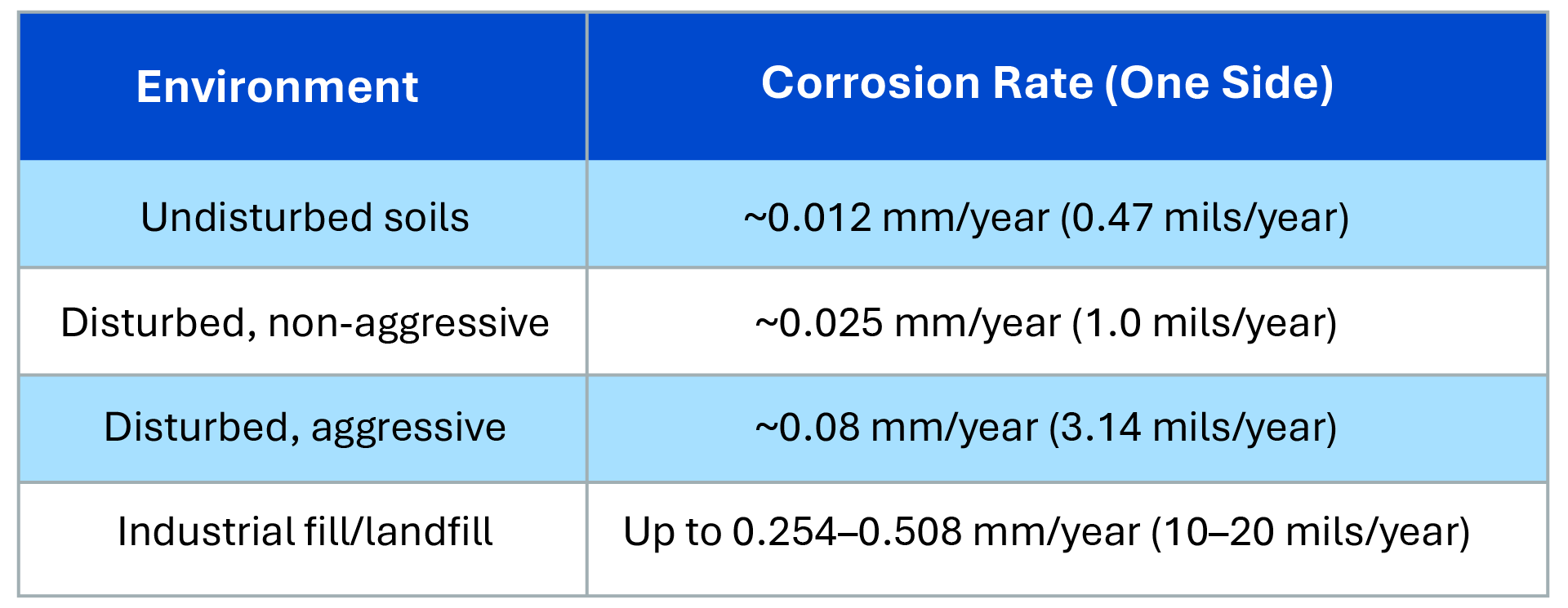
SP21460 encourages the use of corrosion rate-based design using typical ranges from literature and field data (as shown in Figure 3): 

Figure 4: Soil characteristics and corresponding relative rates of corrosion.

CLICK TO ENLARGE

For helical piles, these corrosion rates can be used to determine an appropriate corrosion allowance:

Corrosion Allowance = Design Life × Corrosion Rate

This allows pile designers to quantify section loss over time, particularly in the shaft regions near the soil surface or in aggressive backfill zones.

SP21460 also provides guidance on when corrosion mitigation is warranted. While mitigation options (coatings, CP, material selection) are covered elsewhere in this report, one notable aspect is the emphasis on zone-specific protection, especially at the soil-air interface and splash zone, where corrosion can be most severe. For helical piles installed in shallow disturbed soils, coating the upper sections or adjusting embedment depths may offer enhanced service life.

This standard also recommends reviewing site data to identify thresholds where corrosion may become significant:

  • Soil resistivity < 2,000 ohm-cm
  • Chloride > 200 ppm
  • Sulfate > 1,000 ppm
  • pH < 6.0
  • Water conductivity > 500 µmho/cm

Rather than prescribing fixed design rules, SP21460 encourages engineers to apply judgment based on project-specific conditions, expected service life, and risk tolerance.

This standard provides a balanced framework for assessing corrosion risks and selecting mitigation strategies for helical piles in soil. SP21460 offers structured, contemporary design logic, corrosion rates and mitigation approaches. For projects with limited soil data, the conservative ranges and empirical tools in these documents can guide assumptions. Where detailed data is available, both standards support calibrated corrosion rate modeling and targeted protection of at-risk pile segments

Other Resources

Corrosion of steel piles in soil has been studied through field exposures, national surveys and design guidelines, providing a strong basis for prediction and design. Field data show that steel below a stable water table corrodes minimally due to oxygen depletion, while the most severe attack occurs near groundline or in disturbed fill soils where moisture and aeration are present. Average rates in native soils are low (often only a few micrometers per year) but can be much higher in chloride-rich fills or fluctuating groundwater zones. National and state-level programs have confirmed these trends and translated them into service-life reduction factors and practical guidance for foundations and buried structural steel.

Industry surveys and modern guidelines reinforce the role of soil resistivity, moisture cycles and aeration as key drivers, while also highlighting coatings and galvanizing as effective life-extension measures. These references are best used in combination: Romanoff (1962), Decker (2008), and the National Academies (2023) provide the empirical field baseline; NACE (2001), FHWA (2009), NCHRP (2011), and Caltrans (2021) convert those findings into engineering practice; and broader sources such as Revie’s Uhlig’s Corrosion Handbook (2011), ICC AC358 (2013), and the CHANCE Civil Construction Manual (2018) place the data into practical design context. This layered approach for predicting pile performance is both evidence-based and consistent with current codes.

Future Research

As a firm that actively designs and installs helical piles and other steel foundations, Burns & McDonnell conducts field assessments by excavating and exposing a series of installed test piles. This is quite effective in advancing corrosion prediction efforts by providing crucial data on corrosion activity. The findings will be used to validate existing corrosion rate models, especially concerning the variability within high-risk zones, leading to more accurate service-life predictions.

The Bottom Line

Conducting a corrosion analysis before foundation design adds little to a substation or transmission tower's cost while delivering high long-term dividends. By prioritizing early detection and prevention of corrosion, the T&D industry can keep its helical piles and embedded structures (along with the towers, high-voltage lines and substations they support) safe, reliable and performing as intended throughout their lifespan.

Cool Video Headline Goes Here

Video Column Complete

video description goes here. video description goes here


Authors

Brooks Bucher, PE

Senior Pipeline Engineer

Frank Onesto

Section Manager - Corrosion & Integrity Services