Volumetric Batching
Typical Equipment Arrangement
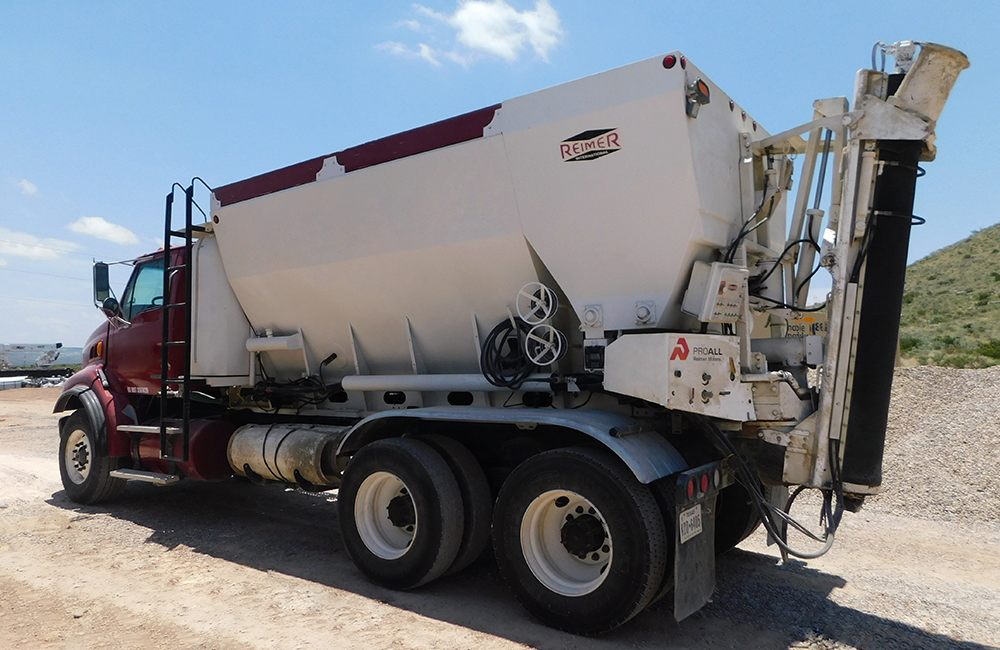
A mobile volumetric concrete mixer is a truck- or trailer-mounted concrete batch plant. The truck or trailer has a variety of tanks and bins that hold the necessary constituents to make typical concrete (e.g., sand, coarse aggregate, cement, water and admixtures). These tanks and bins are sized for the rated volume capacity of the mixer.
The volumetric concrete mixer is similar in many ways to a typical batch plant, but it has been miniaturized for mobility.
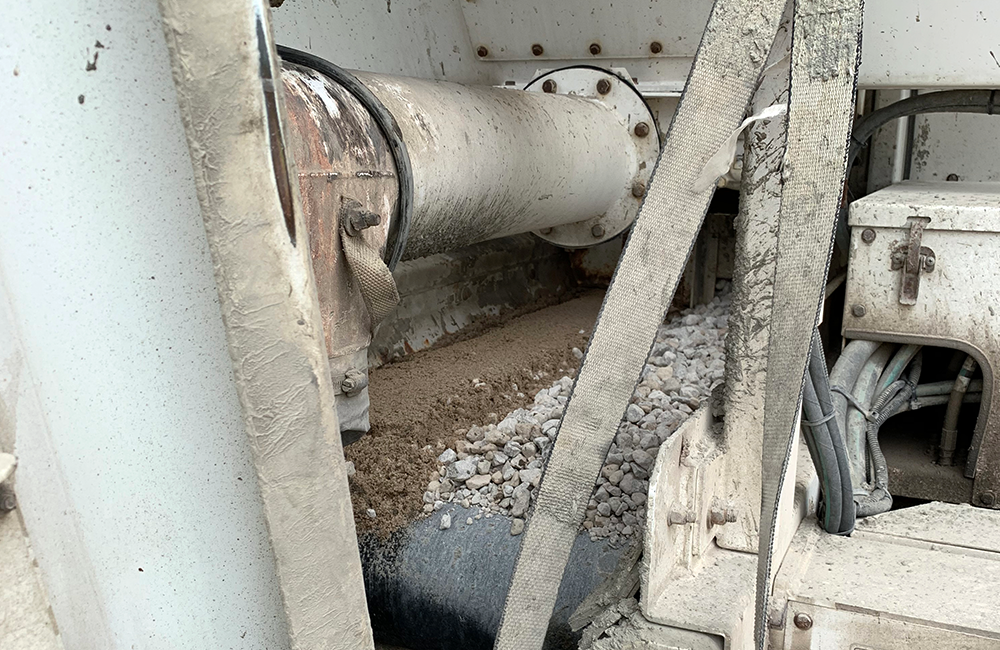
Here’s how a mobile mixer works: Coarse aggregate and sand are delivered onto the conveyor belt through flow control gates at the rear of each bin, followed by the introduction of dry cement near the back of the truck. Water and admixtures are introduced to the dry constituents just as the materials reach the mixing bowl above the mixing auger. Typically, there is a control panel at the rear of the truck that allows the operator to monitor the process and log data for record-keeping purposes. In newer trucks, the computer itself controls the gates and the valves for the constituent materials in order to deliver a precise, preprogrammed mix design. This innovation in the equipment reduces human error and increases the quality and consistency of the mix design. Older models have gates that must be set manually prior to operation of the mixer.
Some limitations to the concrete mix design and available constituents are a direct result of the physical configuration of the equipment. Typically, there is a single bin for the cementitious material. The bin is sealed to prevent moisture from compromising the cement. This single cementitious material bin makes it more difficult to employ a mix design that calls for supplementary cementitious material such as fly ash or ground granulated blast furnace slag. It is possible to have a blended cement in the hopper, but this would need to be carefully considered when ordering material and calibrating the volumetric equipment.
Common names for continuous volumetric mixers (per the Volumetric Mixer Manufacturer Bureau) include:
- Concrete mobiles
- Mobile mixers
- Shake and bake trucks
Volumetric Batching vs. Batching by Weight
The accurate proportioning of constituents for a mix design is imperative to producing concrete that achieves the proper strength and durability. It is important to understand the inherent differences in the methodologies available to batch concrete for a modern construction project. These differences, along with the associated advantages and disadvantages of the delivery method, are important data for the engineering and construction team to consider when planning and executing a substation or transmission line project.
Volumetric batching is accomplished by measuring and dispensing the volume of each constituent material, rather than the weight of the materials. Those constituent materials are discharged from their compartments by gates and metered valves into a mixing auger. If there is a continuous supply of material, the volumetric mixer can produce concrete. Problems can arise when constituent material becomes damp, causing bulking or clumping that can complicate the volume measurement. Volumetric batching equipment must be properly calibrated to deliver the precise volume of each material necessary to produce the desired concrete mix. Anecdotally, the most basic mix design is volume-based: one shovel of cement, two shovels of sand, and three shovels of coarse aggregate.
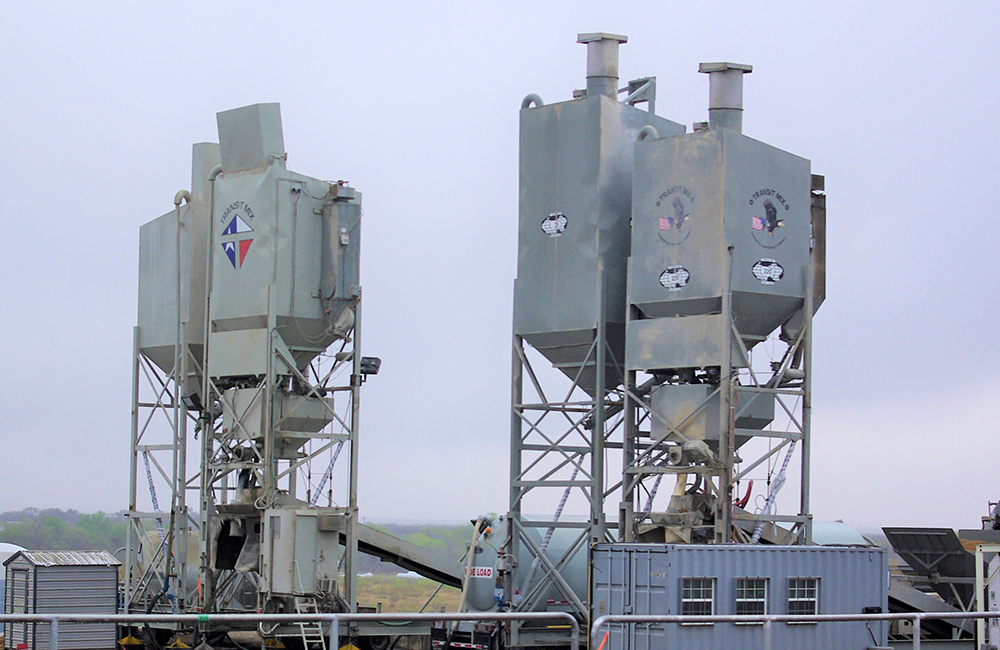
Weigh batching, which is the typical approach for a ready-mix batch plant, provides greater accuracy and is a simpler process for larger volumes of concrete. There are a series of scales, mechanical or electronic, that accurately weigh the materials being combined to batch the mix design. In modern batch plants, the ready-mix batch plant equipment can account for the presence of moisture in constituents such as the sand by automatically measuring the moisture content. Using this data, the amount of water added for the mix design is adjusted to arrive at the correct water-to-cementitious material ratio. This functionality is not present in mobile volumetric batching equipment.