Join us Sept. 2–4 in Arlington, Texas, for this year’s Transmission & Substation Design & Operation Symposium (TSDOS).

Meet Our Presenters and Explore Topics That Matter
Controlling Sag and Tension: Equipment Limitations and Design Impacts
Wednesday, September 2 | 3:50-4:35 p.m. | Crystal Ballroom I
Small changes in conductor length — even just a few inches — can significantly affect installed line tensions. As engineers refine their designs, they may not fully account for how installation equipment, such as dynamometers, transits and sag watches, can influence or limit the ability to properly sag a conductor. This presentation examines how installation equipment affects sagging accuracy, the key environmental factors involved, the importance of timing and how structure movement can become a critical design consideration. It also highlights several real-world cases where these issues became apparent in practice.

Nate Schrein, P.E.
Technical Manager
Nicolas Khoury, P.E., MBA
Transmission Project Manager
Non-Destructive Remediation Case Study: Design and Fabrication of an H-frame Deadend Steel Anchorage Adapter
Wednesday, September 2 | 4:40-5:25 p.m. | Crystal Ballroom I
When a critical foundation construction error threatened to delay a major design-build substation project, the project team developed an innovative, non-destructive solution that avoided demolition, deep excavation, and significant cost and schedule impacts. This presentation highlights the design, analysis, fabrication and deployment of a custom steel anchorage adapter used to successfully remediate incorrectly installed anchor bolt cages for an H-frame deadend structure. Attendees will gain insight into the engineering process, including 3D modeling, finite element analysis (FEA), anchorage capacity verification and material selection considerations. The presentation also demonstrates how close collaboration between engineering and fabrication teams accelerated delivery through practical design-for-fabrication decisions and rapid constructability feedback. By transferring complex remediation work from the field to the fabrication shop, the team reduced risk while delivering a safe, code-compliant solution. This case study provides a valuable roadmap for addressing high-impact construction non-conformances efficiently and effectively.
Dylan Madden, P.E.
Transmission & Distribution Director
Eric Bestul
Prefabrication Department Manager
IEEE 605 2023 — Generation Growth Implications on Short Circuit Loading for Rigid Bus Design
Thursday, September 3 | 1:30-2:15 p.m. | Crystal Ballroom H
This presentation examines how rising fault currents and updated engineering standards impact substation design by comparing the simplified static calculations of IEEE Std 605-2008 with the dynamic methodologies introduced in IEEE Std 605-2023, highlighting how the new dynamic calculation methods — which account for individual conductor span behavior, support conditions and automatic reclosing — can increase the demands to insulators and therefore affect the layout of substations. The presentation also discusses how this updated design methodology poses additional design challenges to modifying existing substations to simultaneously meet this new design philosophy and upgrade the rated fault capacity as generation interconnections and grid capacity grow.
Eric Kapinus, P.E.
Supervisor, Substation Engineering,
LCRA
Derek Lam, P.E.
Structural Engineer
Integrated Planning and Design of 765kV Transmission Lines: System and Engineering Interdependencies
Thursday, September 3 | 3:35-4:20 p.m. | Crystal Ballroom F & G
Designing 765 kV transmission lines requires close coordination between system planning and physical engineering, yet these efforts are often misaligned. This presentation highlights how decisions on conductor selection, insulation and line geometry directly impact system performance and can lead to design conflicts, cost increases and schedule delays. An integrated, iterative approach is presented to improve reliability and project outcomes.

David Hancock, P.E.
Transmission & Distributions Engineering Director
Oliveiro Garcia
Electrical Engineer

Jay Tailor
Project Delivery Manager
Design to Energization: Vector Group and Phasing in Delta-Wye Transformers
Thursday, September 3 | 3:35-4:20 p.m. | Crystal Ballroom H
Drawing on project experience, this presentation traces vector group and phasing decisions from initial transformer specification through relay settings, including vector compensation and ground element coordination, and into field testing and energization. Phasing and vector group mismatches frequently remain latent during installation and commissioning, only to surface during post‑energization load pickup or under ground‑fault conditions. The presentation concludes by presenting a cross‑discipline framework that promotes predictable commissioning outcomes, a coherent protection philosophy and reduced risk of post‑energization corrective actions.
Peter Darling
Substation Engineer
Jeff Ho, P.E.
Senior Project Engineer
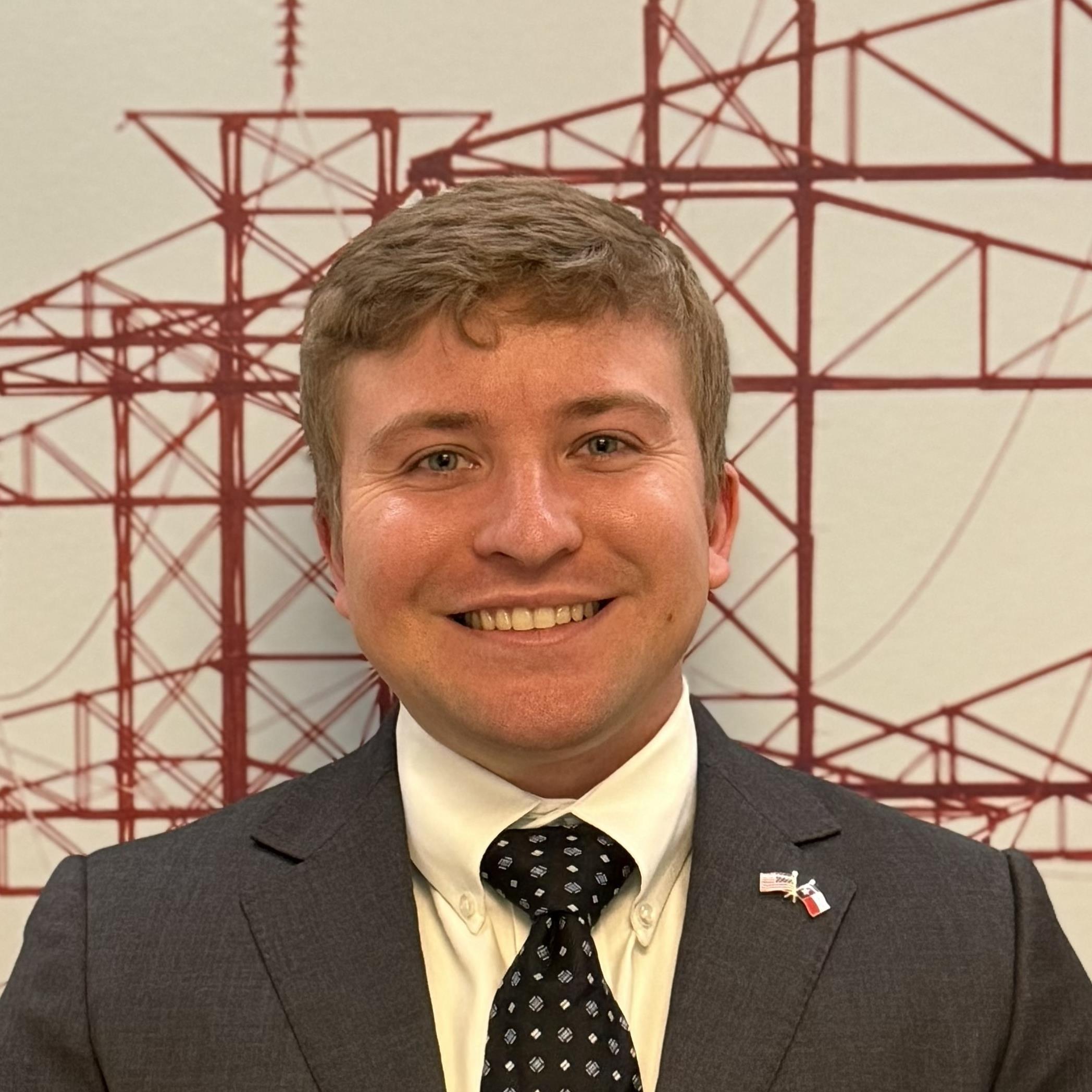
Jacob Jozwiak, P.E.
Engineer,
Oncor Electric Delivery
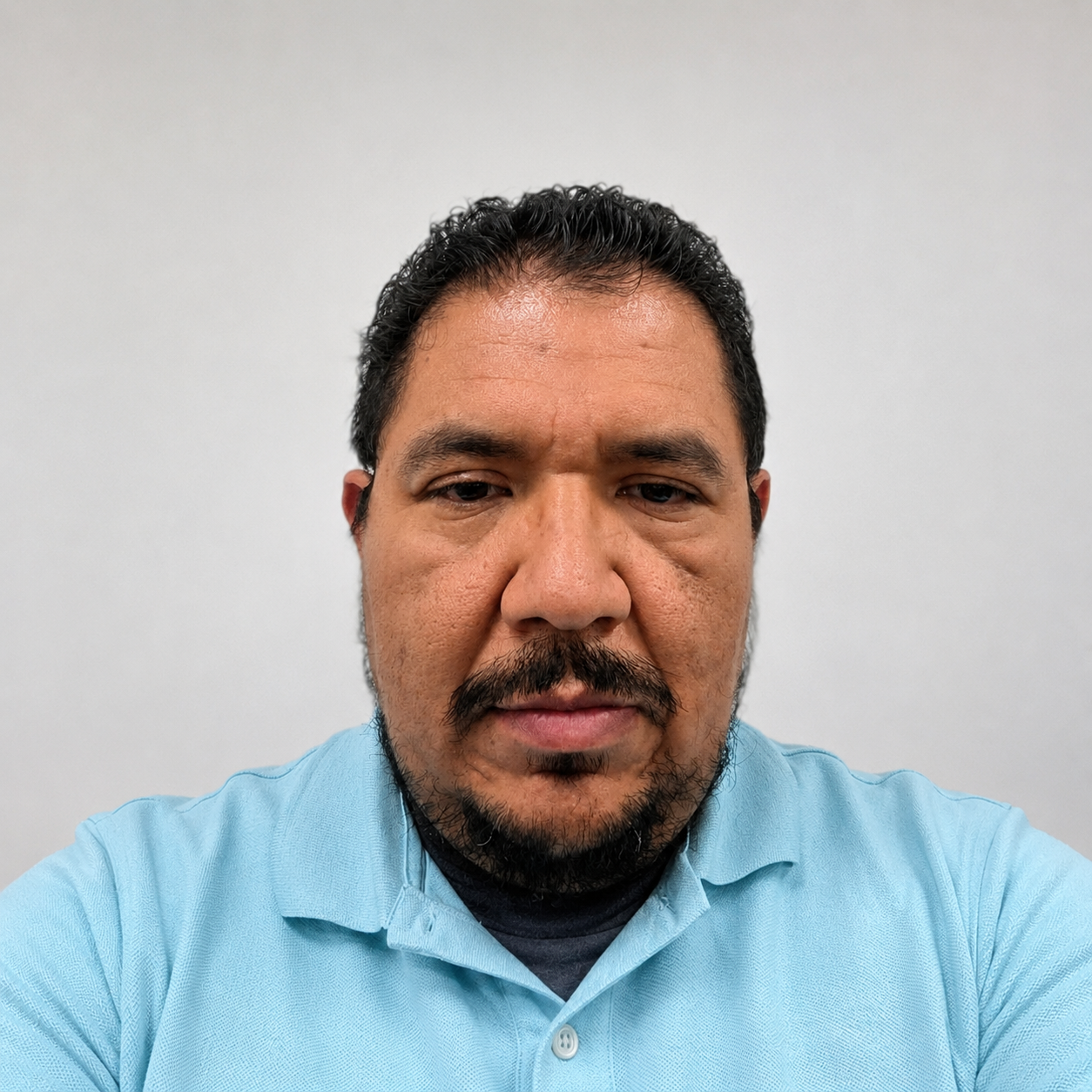
Rene Aguilar, P.E.
Engineer Relay and SCADA Support,
Oncor Electric Delivery

Dana Steph, PE
Managing Director