Community feedback is helping the City of Leawood create safer streets for drivers, pedestrians, bicyclists, e-bike riders and scooter riders. Hear City Engineer Brian Scovill explain how the city is using residents' feedback to identify transportation improvements and develop the Safe Streets Leawood plan.
Vision Zero aims to eliminate traffic fatalities and serious injuries through safer streets and dedicated efforts to protect vulnerable road users around the country. Watch our video to see what the plan is for making roads safer.
Hear Maymee Green-Phillips of the Kansas Turnpike Authority describe how speeding personally affects her family and her role in incident management.
To move toward the goal of zero driving fatalities, driver behavior must change. Increasing the use of seat belts and avoiding cell phone use while driving is essential. Stephany Bening’s story drives these points home. Burns & McDonnell is proud to partner with the Missouri Department of Transportation (MoDOT) as it strives to meet a goal of zero fatalities with the Oct. 21 observance of Buckle Up, Phone Down Day.
Every driver plays a role in transportation work zone safety. KDOT’s Tony Phillips tells his story, emphasizing the importance of paying attention in road construction zones. This video reminds us all to be aware, drive with care.
article
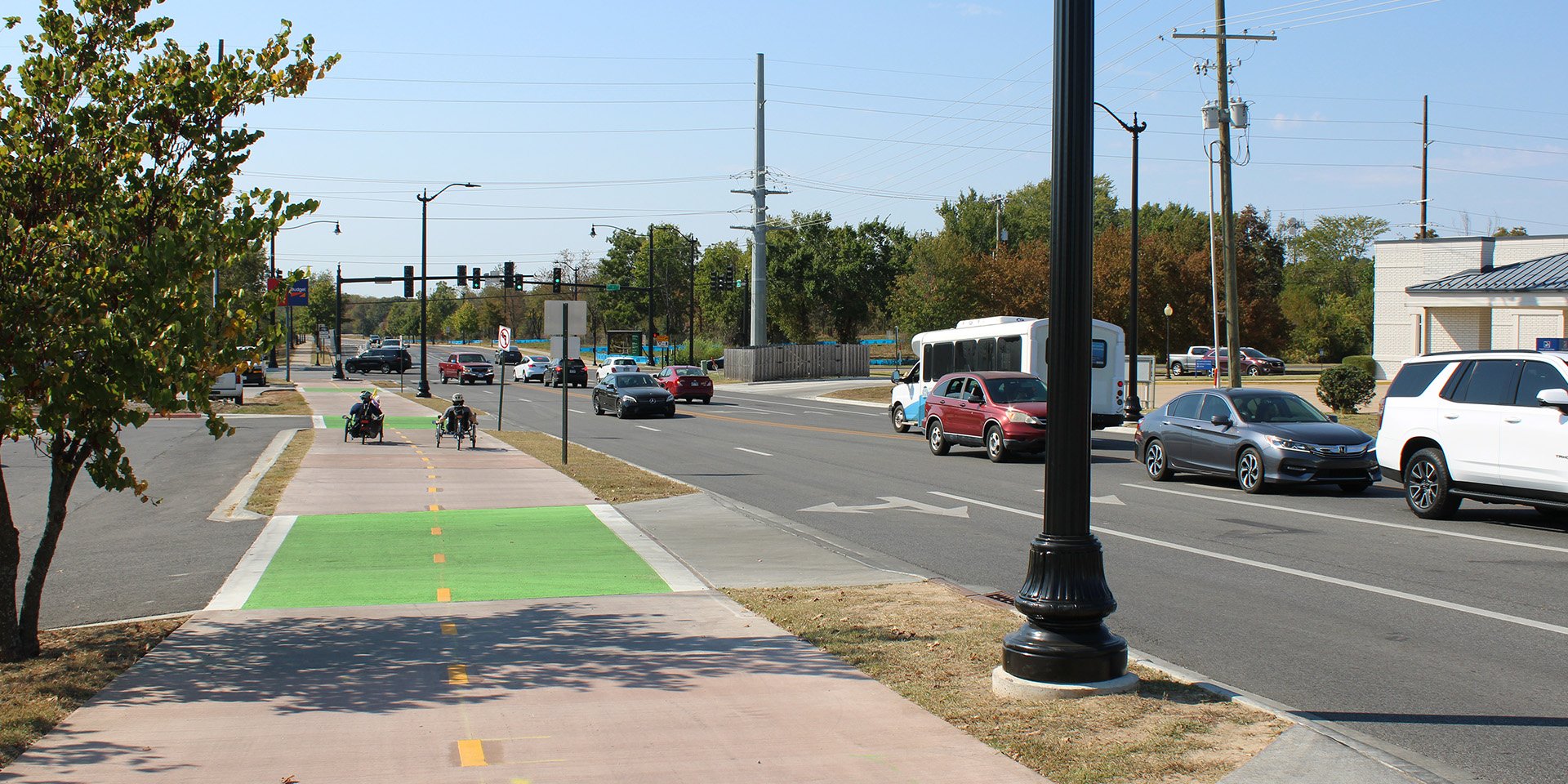
Designing roads that meet the needs of a variety of users involves rethinking space and resources. By incorporating specified bike lanes and other context-sensitive solutions, we can balance safety, mobility and community needs to create safer transportation infrastructure for us all.
article
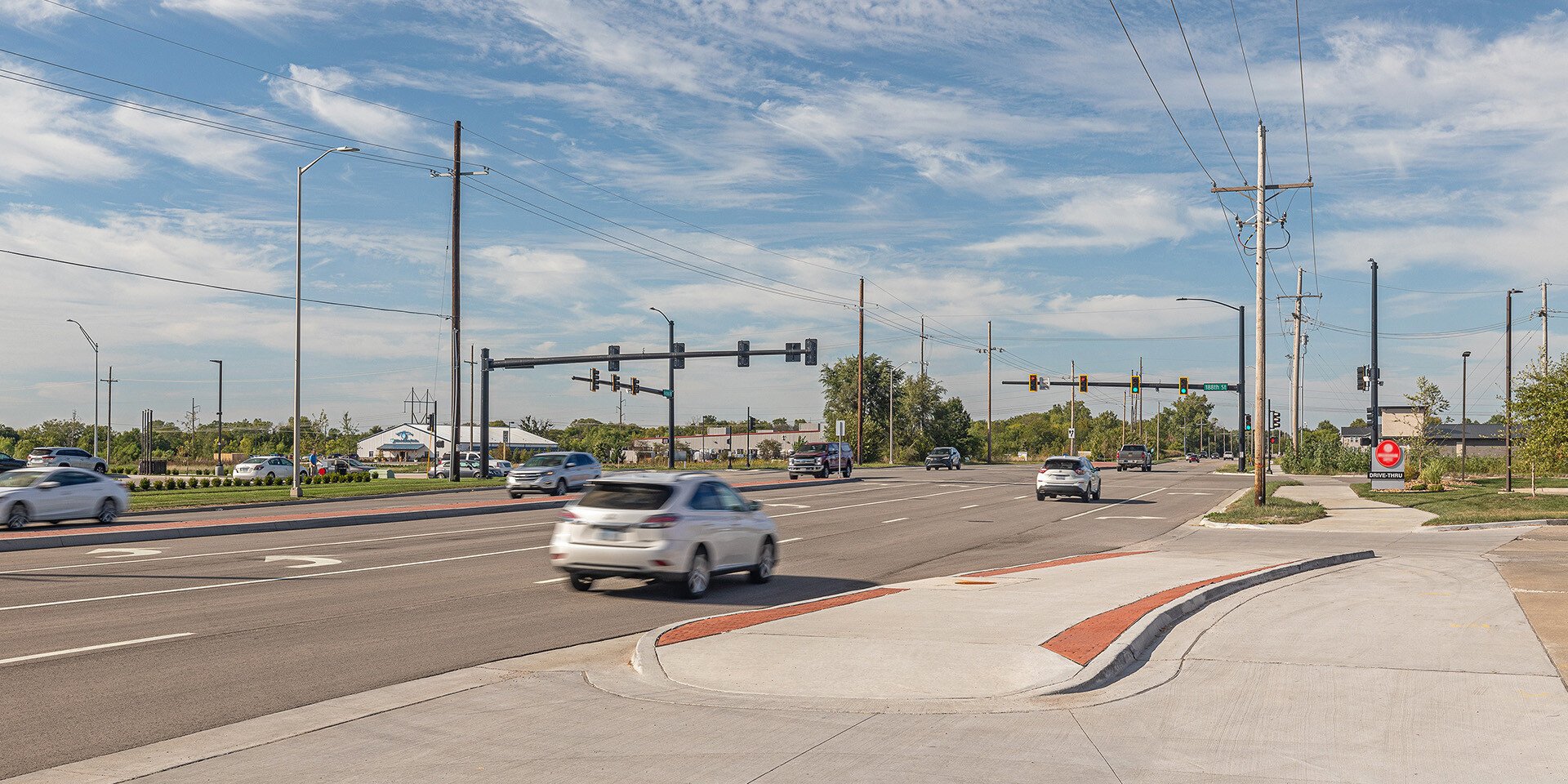
A safety action plan (SAP) lays the groundwork for safer streets by turning data and community input into action. With leadership backing and a clear strategy, SAPs help cities and counties identify risks, advance solutions and build momentum for lasting improvements to the transportation system.

blog
In 2021, over 105,000 crashes occurred in work zones, resulting in over 42,000 injuries and 954 work zone fatalities across the U.S.

white paper
A highly customized transportation management plan can help enhance safety and mobility in and around work zones during the construction of complex projects.

blog
Work zone safety is paramount. Implementing measurable goals based on informed decisions can help reduce fatalities and crashes in work zones.
case study
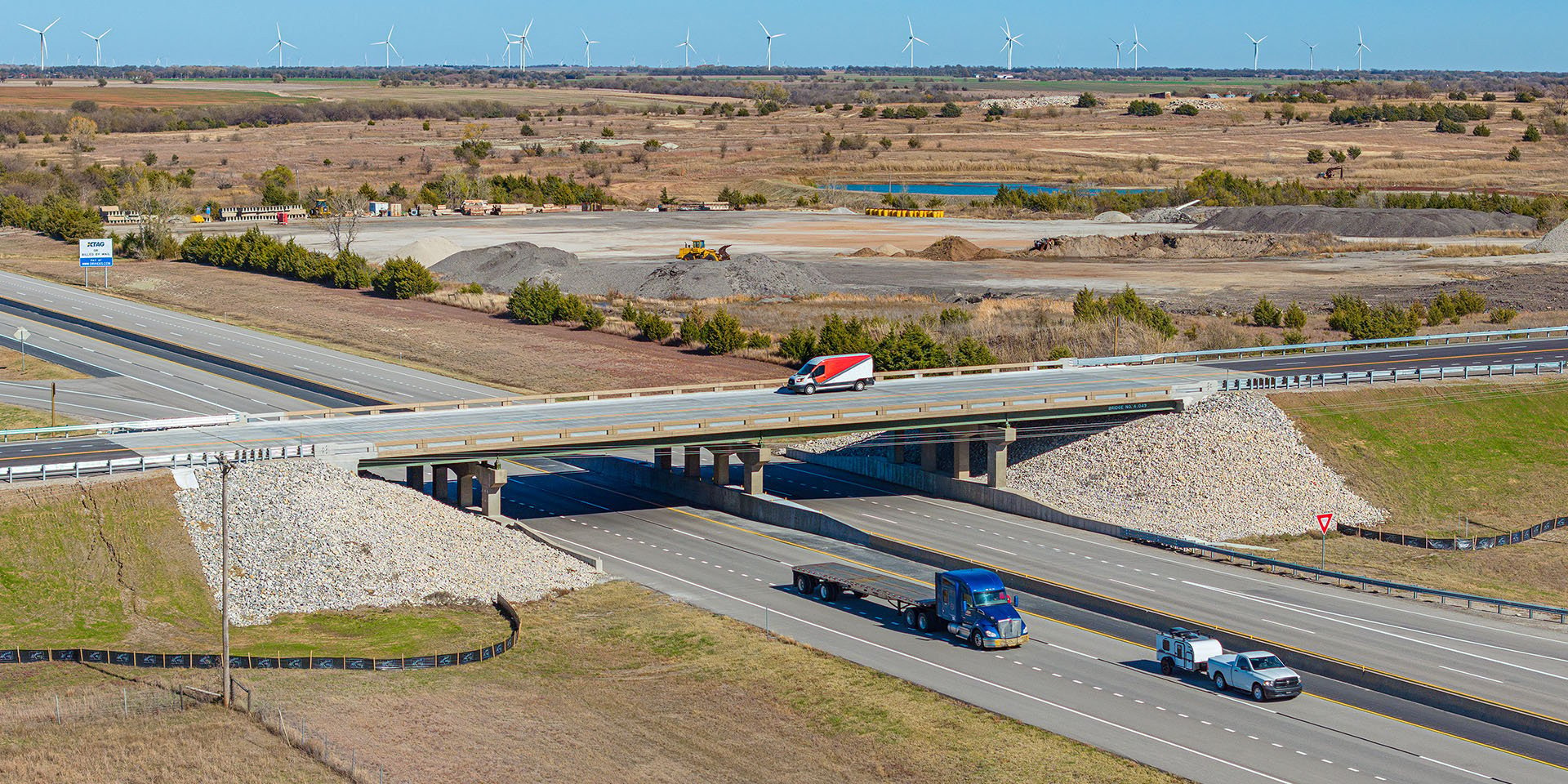
The Kansas Turnpike Authority leveraged a data-driven safety assessment to identify and prioritize systemwide improvements. Focusing on risks related to speed, wet pavement and curves, the study guided targeted countermeasures and long-term monitoring strategies, enhancing roadway safety and positioning the KTA for continuous improvement in crash prevention and risk mitigation.
READ MORE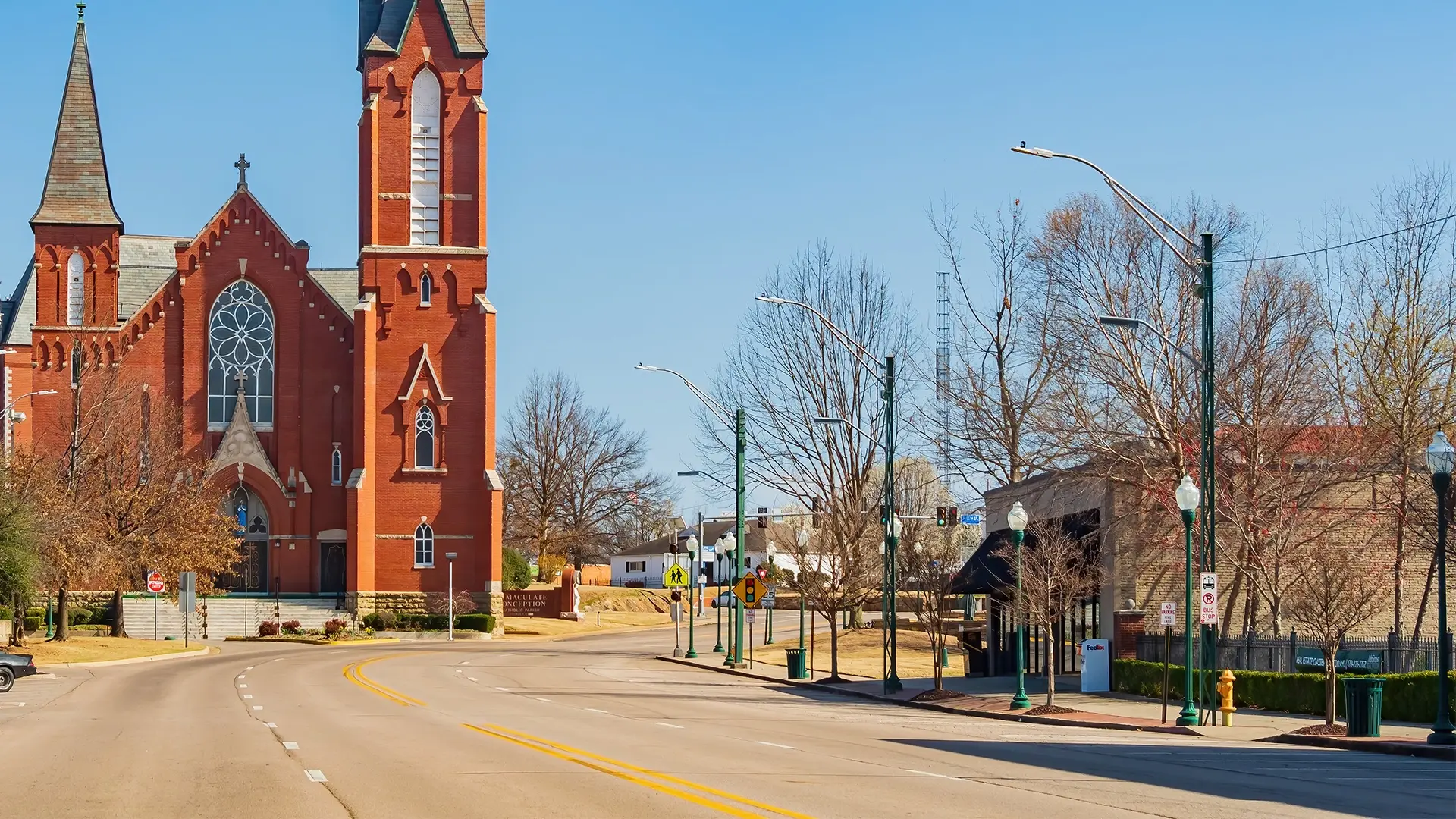
project profile
We developed the Safe Fort Smith Safety Action Plan under the U.S. Department of Transportation’s Safe Streets and Roads for All (SS4A) grant program.
READ MORE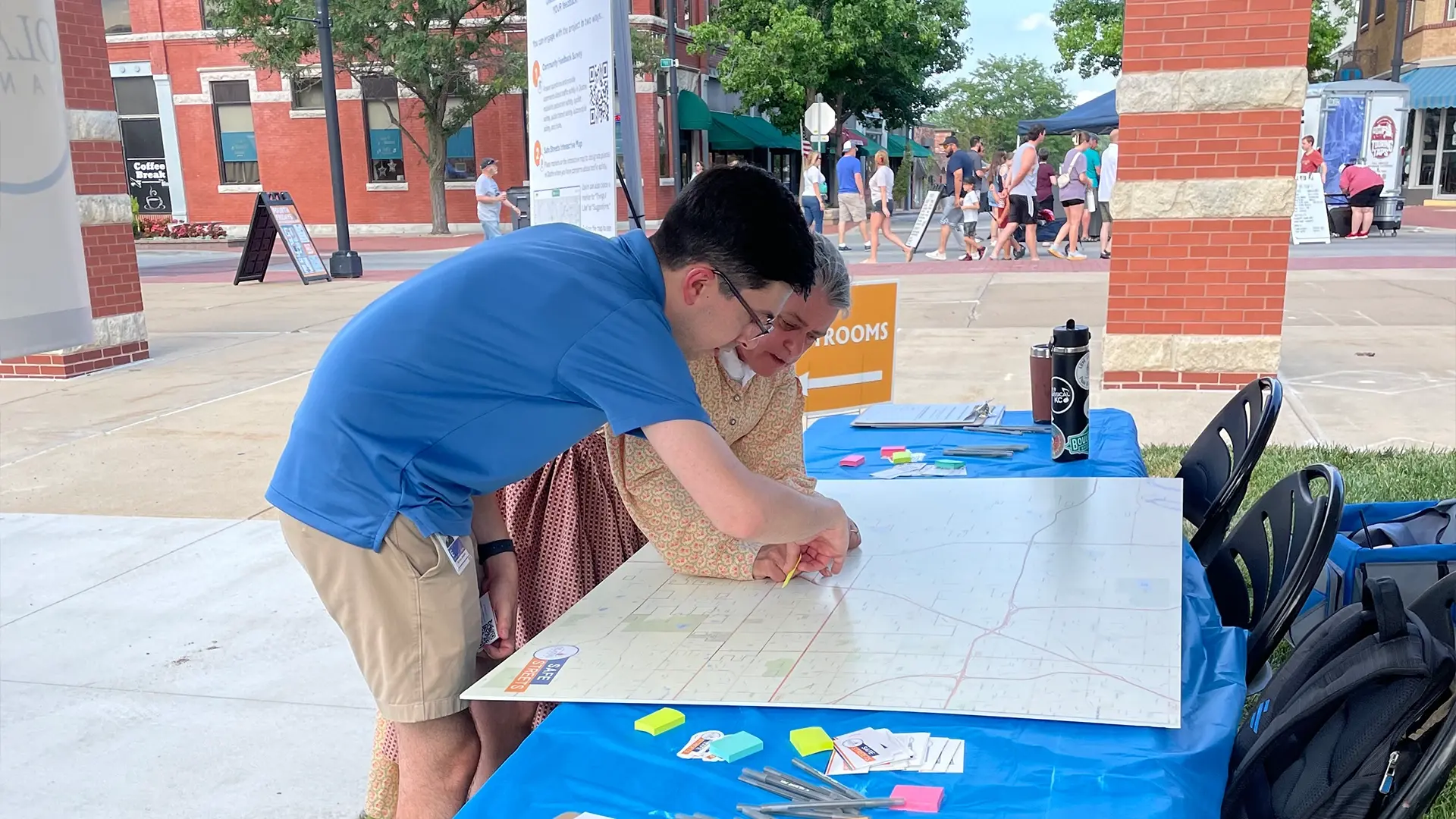
project profile
Our meaningful public engagement and robust data analysis are enhancing the City of Olathe’s Safety Action Plan under the U.S. Department of Transportation’s Safe Streets and Roads for All (SS4A) grant program.
READ MORE
blog
In 2019, the average one-way commute time reached a new high of 27.6 minutes. Adults are often dropping off children at school in the morning or rushing into the office — or both. When a driver runs into unexpected traffic delays due to major roadway projects, the morning routine can shift from hectic to frustrating in a matter of minutes.
READ MORE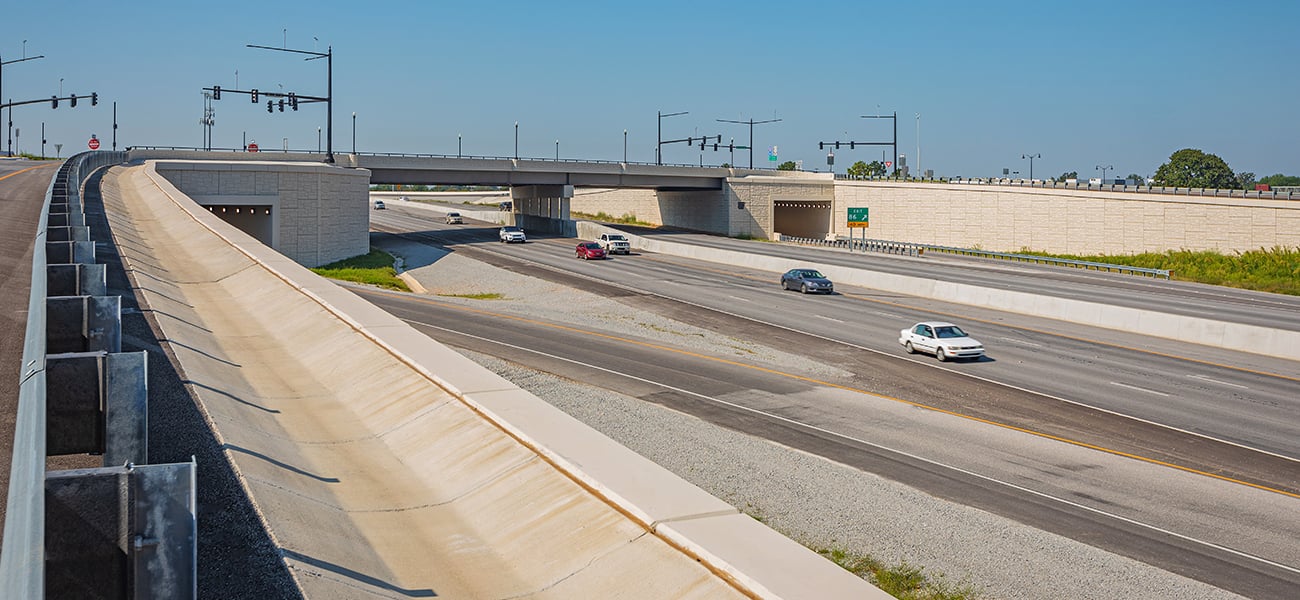
project profile
We provided planning, environmental clearance documentation, engineering, and construction engineering and inspection (CE&I) services for a new interchange on Interstate 49 at Eighth Street and the widening of Eighth Street.
READ MORE
white paper
Human behavior is a significant factor in car crashes. Pairing data-driven safety analysis with surveys, engineers can pinpoint roadway issues and solutions.
READ MORE
webinar
In this episode of Down The Pike, Steve chats with Jessica Hutton from Burns & McDonnell about the importance of safety assessments, the results from the KTA's assessment, and how KTA can use this information to enhance safety.
READ MORE
blog
Even as traffic and miles driven dropped during the pandemic, many U.S. states experienced a spike in road fatalities.
READ MORE
white paper
Illinois lags behind its neighbors in the implementation of roundabouts statewide, but acceptance is slowly increasing. Counties and municipalities throughout the state would benefit from convening to rigorously discuss roundabout design information and review best practices.
READ MORE
blog
Technology, including wearables, AI and exoskeletons, promises cost savings, greater efficiency and safer employees on construction sites and in the shop.
READ MORE
blog
Crescent Boulevard is a safe, attractive corridor addressing diverse stakeholder needs through an innovative roundabout intersection and municipal street design.
READ MORE
blog
With the help of Burns & McDonnell, Kane County DOT recently completed the Burlington Rd / IL 47 Intersection Improvement Roundabout transportation project.
READ MORE
blog
Intelligent transportation systems can help improve the safety and mobility of roads, without making costly investments in new infrastructure. Find out how.
READ MORE
blog
Implementing ADA Transition Plans will help your community abide by federal laws, protect against lawsuits and safeguard potential access to federal funds.
READ MORE
white paper
Incomplete data can make it difficult to identify hazardous roadway locations, creating roadblocks to finding and funding potential solutions. Applying the information gathered from a wide set of data points can effectively back up an agency’s plan, making it easier to secure the necessary funds and address top traffic safety priorities.
READ MORE
blog
Lower traffic volumes on roadways across the country were seen in 2020 but, contrary to this, many states have seen increases in traffic fatalities. Because speed is often the main contributing factor to these fatalities, designing roadways with appropriate environmental cues to keep speeds down can go a long way in reducing accident rates.
READ MORE
blog
Despite advancements in vehicle safety, motor vehicle accident rates continue to rise. Using a data-driven approach to identify crash trends can help traffic engineers discover new methods for keeping drivers safe.
READ MORE
Project Management & Highway Safety
20+ Years of Experience
 View Background

Safety Innovation & Safety Plan Development
15+ Years of Experience
View Background

Highway Safety Modeling, Crash Analysis, Project Prioritization, Countermeasure Identification, Roadway Safety Audits
12 Years of Experience
View Background

Traffic Forecasting and Crash Analytics
16 Years of Experience
View Background

Project Manager, Roadway Designer, and Safety Analysis Engineer
15 Years of Experience
View Background

Multimodal Transportation Safety, Assessment and Design
14 Years of Experience
View Background

Construction
10+ Years of Experience
View Background
Project Management & Highway Safety
20+ Years of Experience
Howard is a leading implementer of highway safety initiatives, focused on quantitative safety analysis for design projects and working with transportation agencies to make stronger, data-driven safety policies. Howard led the safety analysis for the Burns & McDonnell–implemented Beyond the Loop Planning and Environmental Linkages Study, which won the 2019 ACEC Missouri Engineering Excellence Award. He also used the safety benefit-cost analysis to secure a BUILD grant for the first construction phase. Previously, Howard led the Kansas Department of Transportation’s (KDOT) Highway Safety Manual implementation and conducted studies with KDOT, the Nebraska Department of Transportation and the Kansas Turnpike Authority to perform systemwide reviews of safety performance, provide recommended countermeasures, and implement enhanced analysis procedures and policies. Howard has served on or chaired numerous Transportation Research Board (TRB), American Association of State Highway and Transportation Officials (AASHTO), and National Cooperative Highway Research Program (NCHRP) assignments in the areas of geometric design and highway safety, including the panel of NCHRP 17-71, tasked with oversight of the development of the AASHTO Highway Safety Manual, Second Edition.
Safety Innovation & Safety Plan Development
15+ Years of Experience
Jessica is a traffic engineer and project manager at Burns & McDonnell. Prior to joining the firm, Jessica spent 13 years conducting transportation safety research at MRIGlobal with a focus on urban and suburban arterials, the relationship between safety and speed, and vulnerable roadway users. Jessica supported the urban and suburban arterial research that eventually would become Chapter 12 of the Highway Safety Manual (HSM) (NCHRP project 17-26). She also served as a technical editor for the predictive safety methodology chapters (10-12) during production of the manual (NCHRP project 17-36) and led research for FHWA using naturalistic driving study data to evaluate the relationship between operating speed, safety, and roadway characteristics on urban and suburban arterials. She played a key role in evaluating the impact of motor vehicle safety countermeasures on pedestrians and bicyclists in NCHRP Project 20-07, Task 393, and contributed to research developing safety performance functions for pedestrians and bicyclists for inclusion in the forthcoming second edition of the HSM (NCHRP project 17-84). She drafted a new chapter on roundabouts for the third edition of the Human Factors Guide (NCHRP project 17-80). As a project manager at Burns & McDonnell, Jessica is leading a safety analysis of the entire Kansas Turnpike and is also helping the Kansas Department of Transportation develop new procedures for identifying, evaluating and prioritizing safety projects.
Highway Safety Modeling, Crash Analysis, Project Prioritization, Countermeasure Identification, Roadway Safety Audits
12 Years of Experience
Allison is a roadway safety and traffic engineer at Burns & McDonnell. Her safety experience includes modeling, crash analysis, countermeasure identification, roadway safety audits and project prioritization. She uses her experience to identify countermeasures to reduce the risk of fatal and serious injury crashes in both existing, temporary and future configurations of roadways. She has experience modeling roadways to inform interstate, highway, and bridge design and reconstruction projects nationwide, including the I-44 Bridge Rebuild project and various roadway safety efforts across Arizona, Kansas, Missouri, Iowa, Illinois, Texas and Utah. She has served as the technical lead in developing High Injury Networks, systemic and site-specific countermeasure identification, and project prioritization. She has also served as the assistant project manager or task manager on safety-focused projects and has led the effort to develop a state-specific approved countermeasure list for Kansas. Additionally, she has been the technical lead for Roadway Safety Audits, helping to identify countermeasures to reduce the highest severity and most frequent crashes. Her passion lies in creating actionable plans and projects that reduce fatal and serious injury crashes on roadways.
Traffic Forecasting and Crash Analytics
16 Years of Experience
Josh specializes in transportation schematic design, planning and feasibility studies, traffic studies, and crash analysis. His team combines geospatial data from computer-aided design, geographic information systems and open data systems with advanced analytics to provide clients with intelligent digital models and decision-making tools. He has played key roles in feasibility and planning studies for numerous city and state agencies, including the North Texas Tollway Authority, North Central Texas Council of Governments and the Texas Department of Transportation.
Project Manager, Roadway Designer, and Safety Analysis Engineer
15 Years of Experience
Cheryl contributes to the safety, design and management of highway and road projects for state and local government agencies. Her primary responsibilities include project management, geometric design, safety analysis, construction sequencing, traffic analysis and roadside safety. Cheryl was one of the first to earn the Road Safety Professional 2 Infrastructure certifications in the United States. Cheryl focuses on application of safety to real-world situations, including analysis of existing crashes and impact of potential safety improvements as part of the Wilmington-Peotone PEL (planning and environmental linkages) study. She was also part of the Kansas Turnpike Authority (KTA) Safety Analysis team. As part of that study, Cheryl reviewed crash history and performed analysis on potential improvements at narrow bridges, at a 16-mile corridor through Wichita, and at the KTA’s left-exit service centers. Cheryl is proficient in a number of software applications that support design and collaboration on transportation projects, including MicroStation, GEOPAK, IHSDM, RSAP, Synchro and VISSIM.
Multimodal Transportation Safety, Assessment and Design
14 Years of Experience
Bobby has extensive experience across the entire safety analysis process, including data analysis, on-site investigations, stakeholder engagement, benefit-cost analysis and solution design. He has supported and led multiple projects for statewide programmatic improvements, utilizing data-based methodology to consider historic and systemic risk factors in Arizona, Arkansas and Kansas. He incorporates geographic information system (GIS) environments to help teams link, visualize and interpret safety datasets along with proposed improvements. He has conducted extensive research on investment decision-making for emerging transportation technology and system resilience, informing his unique insights on future‐proofing safety investments.
Construction
10+ Years of Experience
Andrea is a construction manager with more than 11 years of experience on transportation projects. A former MoDOT construction inspector, she connects design decisions and construction plans to the realities of working alongside traffic. She leads the development of construction schedules that integrate design, permitting and construction, and uses phasing plans to help teams manage risks to road users and work crews. Her field experience helps her anticipate how lane shifts and changing work activities affect safety. She is passionate about exploring how contractors and clients can leverage emerging technologies to improve awareness and protection in active work zones.