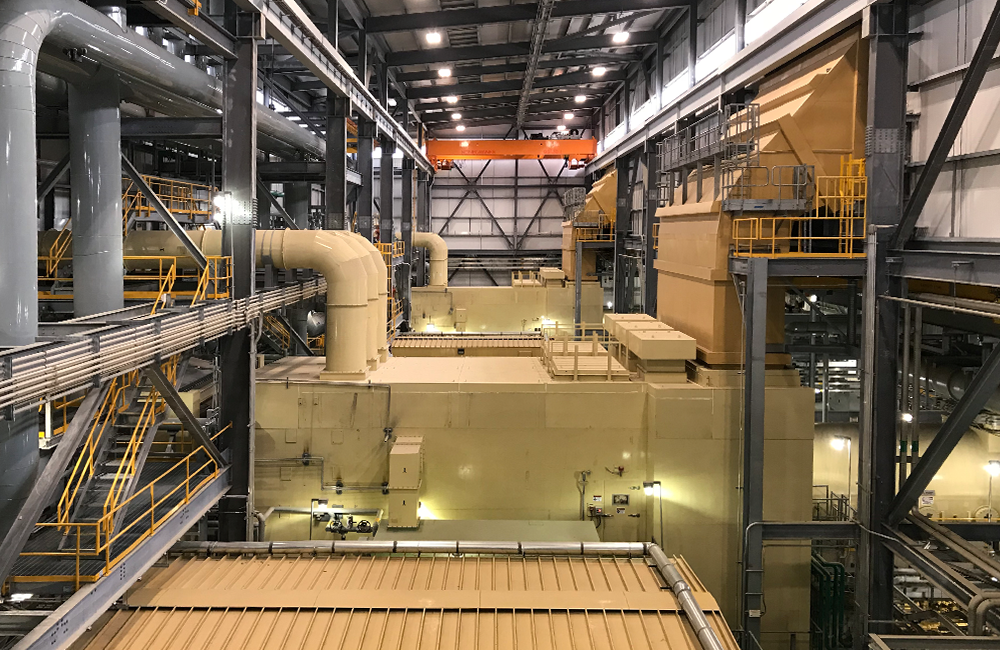
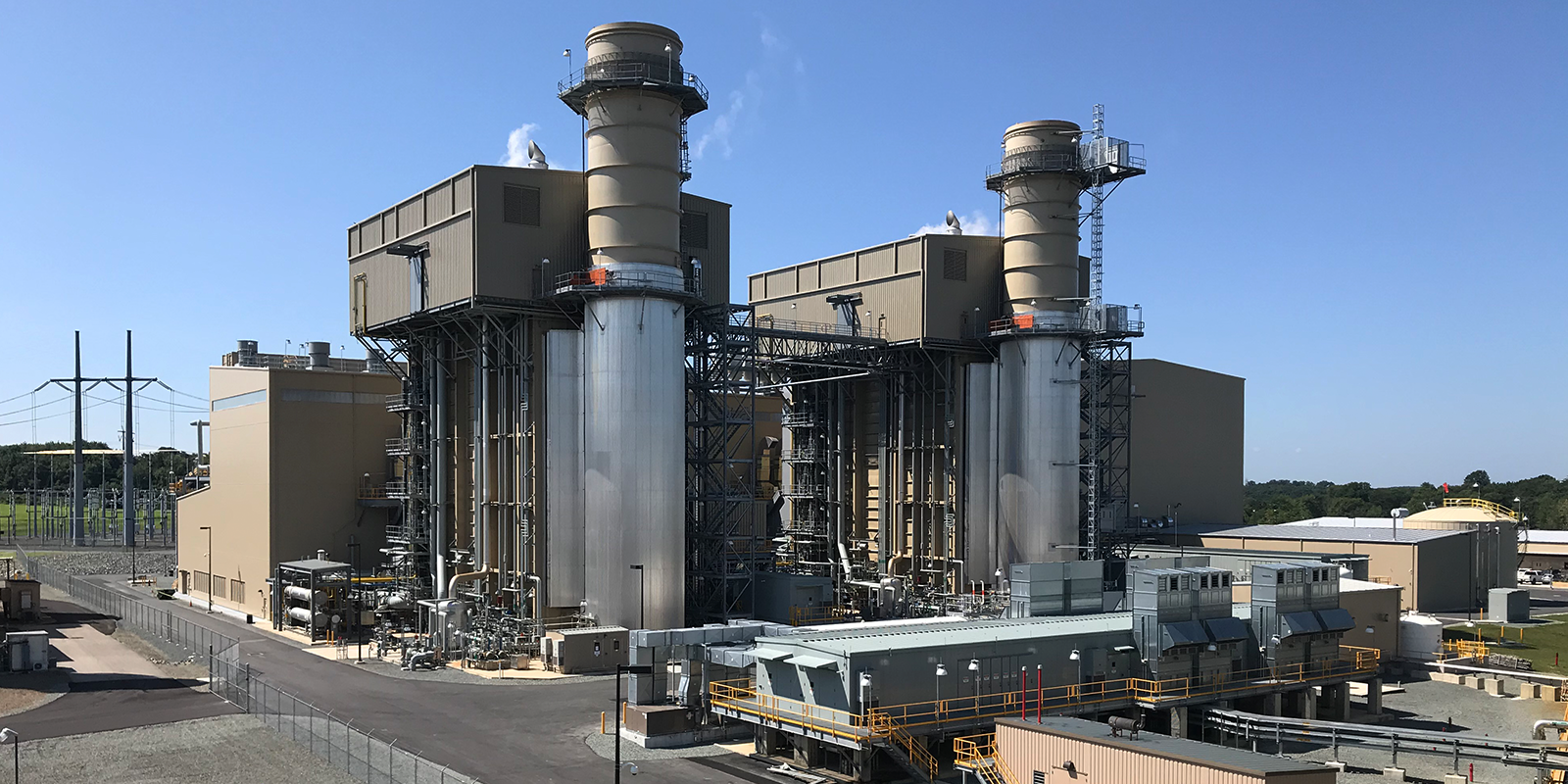
Wildcat Point is in a moderate nonattainment area for ozone, a region that does not meet the National Ambient Air Quality Standards. The project team considered the significant nitrogen oxides (NOx) and volatile organic compounds (VOC), which required the obtainment of emission offsets. To decrease the number of expensive emission offsets required for this project, our team identified the expected operations with great precision. Based on the expected operations, conservative emissions estimates were calculated that still gave ODEC operational flexibility for the facility.
Our team adjusted the layout and other parameters to reduce the modeled impacts to below the thresholds for National Ambient Air Quality Standards and Prevention of Significant Deterioration Class II Increment.
When the time came for the air permit to be submitted, ODEC was still in final negotiations with combined-cycle combustion turbine vendors. To keep the project moving and provide a competitive advantage to the pricing for the turbines, our team submitted the major source air permit application with both the Siemens H and the Mitsubishi G combustion turbines as permitting options.
In the state of Maryland, all environmental documents — environmental studies, reports, clearances and applications — needed to be submitted to the Power Plant Research Group as part of the Certificate of Public Convenience and Necessity (CPCN). This meant the permitting process involved many stakeholders and reviewers. In Maryland, several of the reviewers were unfamiliar with the turbines’ operations. Throughout the entire process, our team worked closely with the Maryland Department of the Environment to share learnings about working with combined-cycle combustion turbines. We also facilitated public meetings to share information about the overall impacts Wildcat Point air emissions would have on the surrounding community.