
1880s-1900s
Cities begin electrifying, requiring the first substations and distribution networks.
Feature | August 10, 2026


Cities depend on infrastructure built over generations. As utilities modernize the grid to meet growing demand, they must navigate aging underground systems in constrained urban spaces while meeting community expectations.
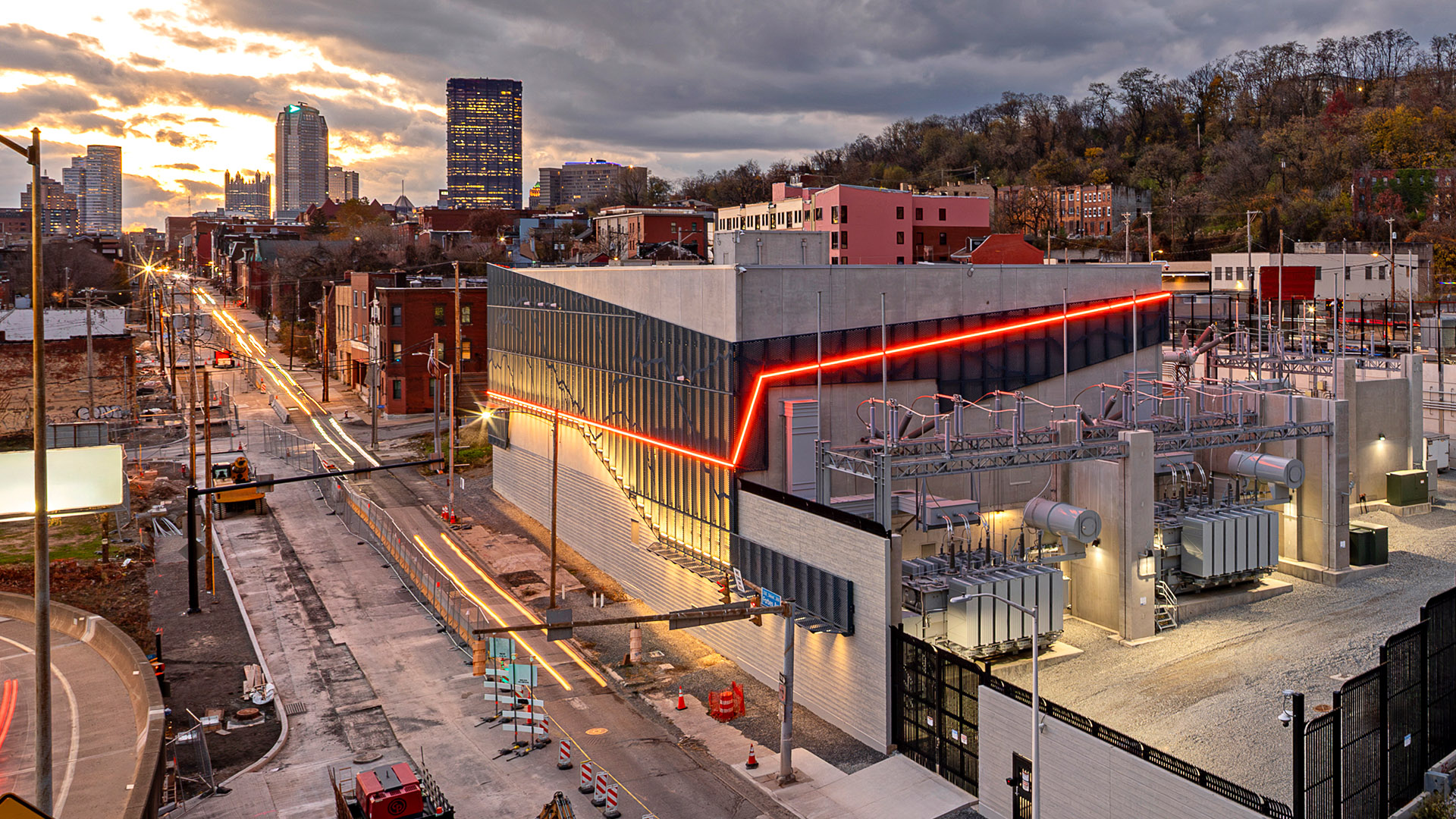
Watson Substation
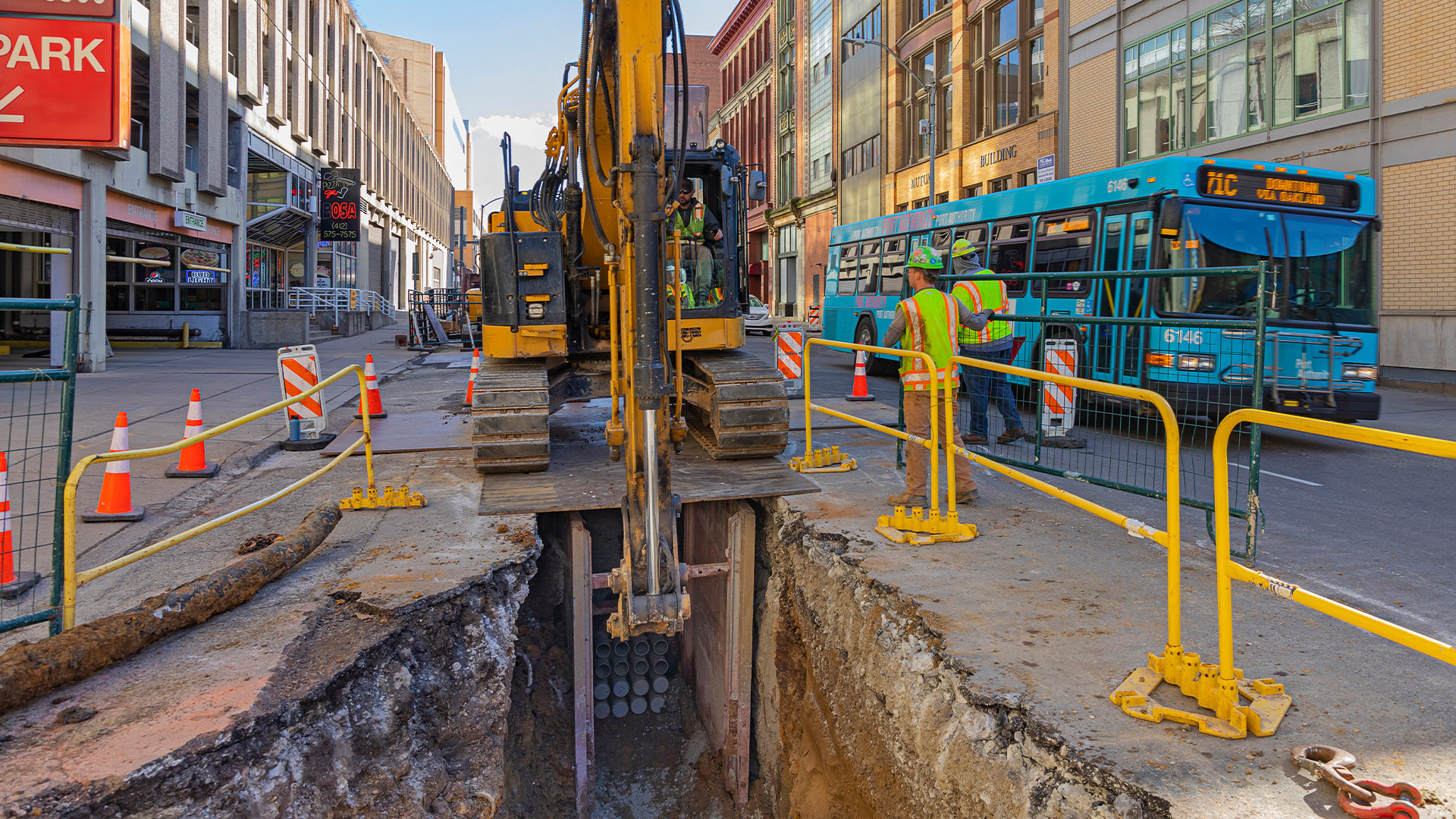
Bus Rapid Transit (BRT) Distribution Project
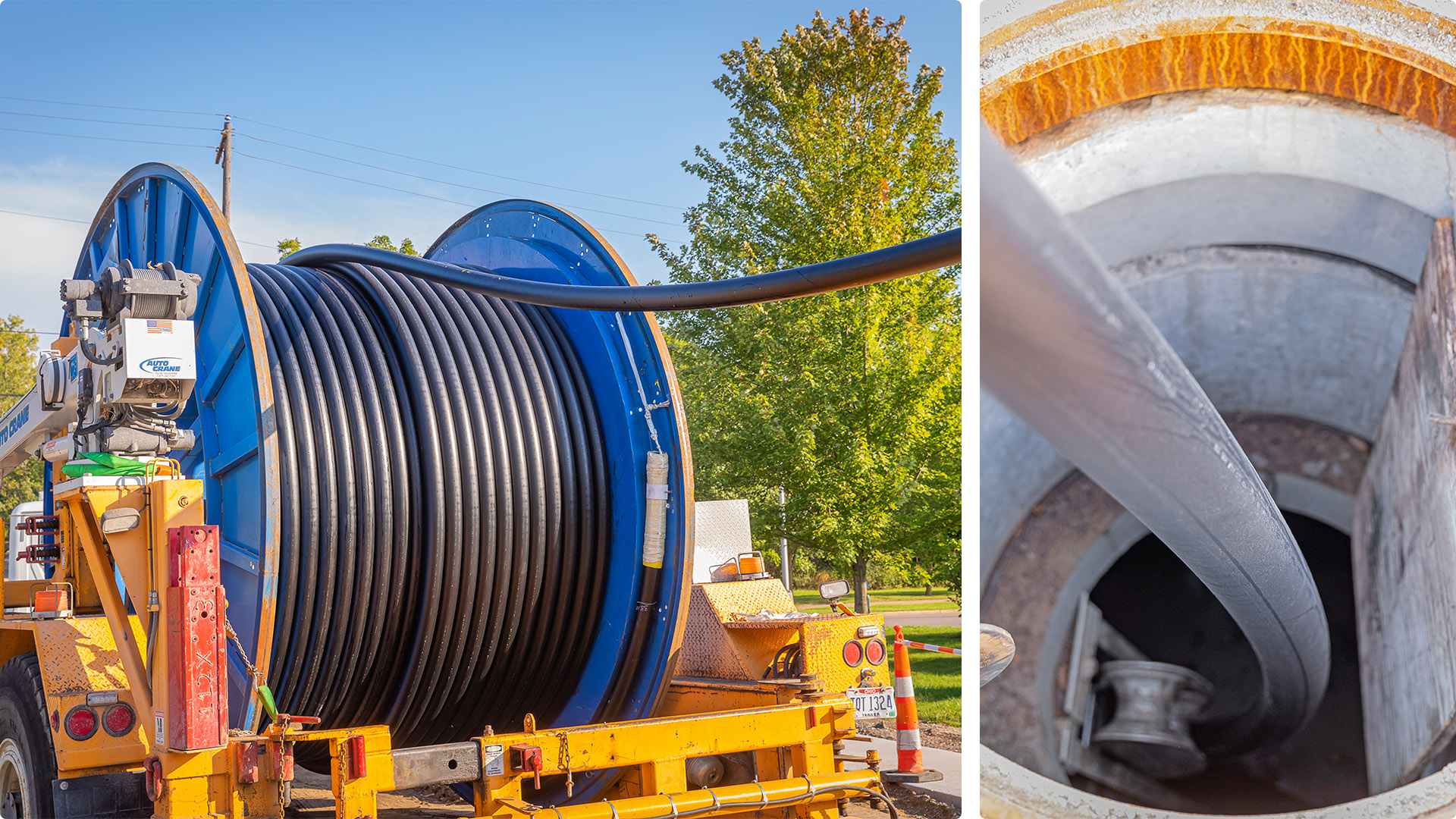
Apex-Phoenix 120kV Underground Transmission Project
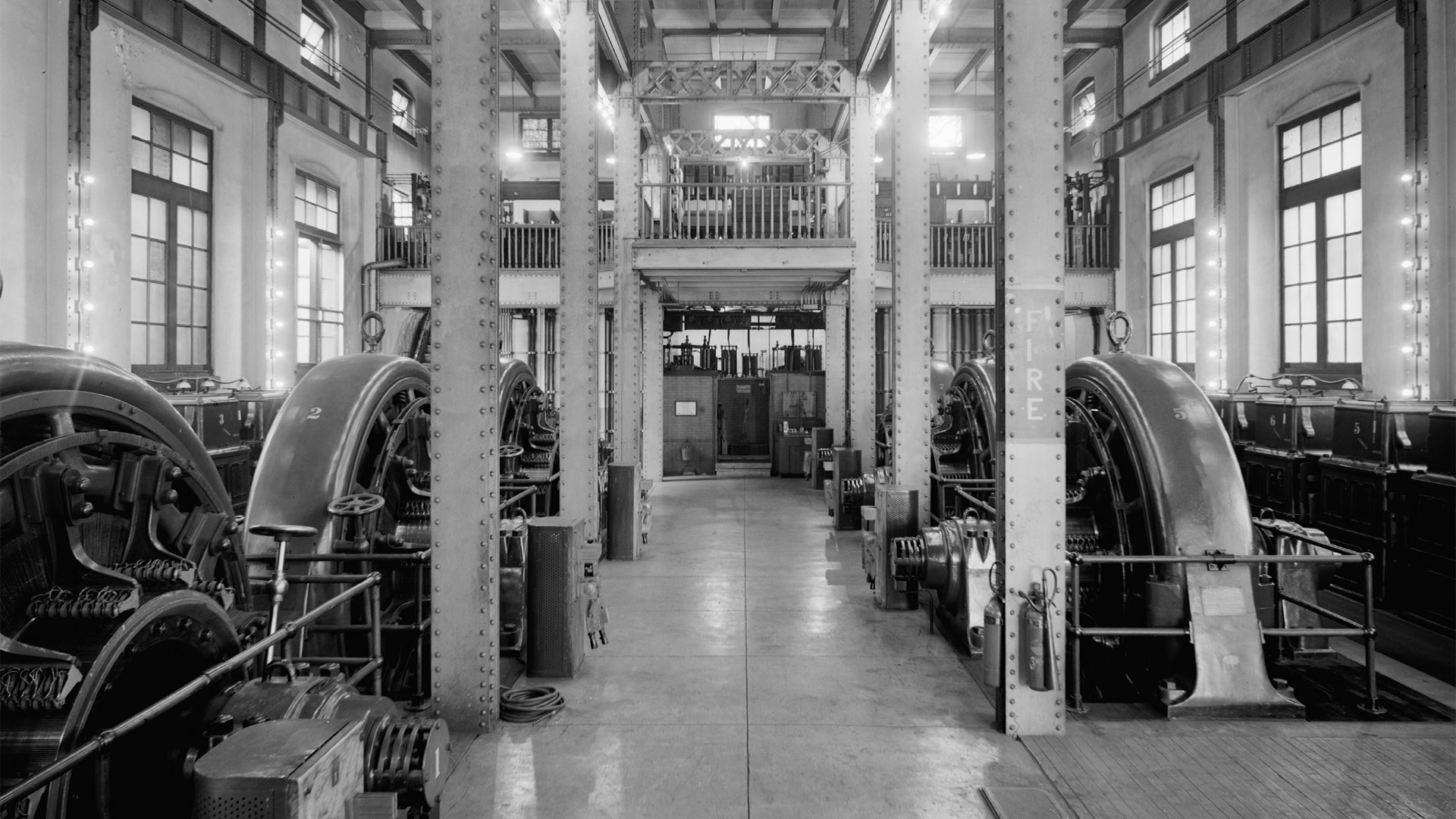
Dyckman-Hillside Substation
A short timeline showing how urban electrical infrastructure evolved.
Cities begin electrifying, requiring the first substations and distribution networks.

Utilities expand infrastructure to support growing populations, streetcar systems and industry.

Major transmission and distribution investments support postwar growth and rising electricity consumption.

Focus shifts toward reliability, system upgrades and replacing aging assets.

Utilities are modernizing infrastructure to support electrification, resiliency goals, technology growth and increasing power demands.
Martin Erdley
T&D Projects Manager Transmission & Distribution
Burns & McDonnell

Michael Wagner
Managing Director Transmission & Distribution
Burns & McDonnell
Subscribe to BenchMark
.svg)


© 2026 Burns & McDonnell. All rights reserved.
.svg)


.svg)


Subscribe


.png)