
Keynote

Leslie M. Duke
Chair and CEO
Decarbonizing the Grid
Decarbonization of the power grid and electrification of other industries (e.g., transportation) will require significant upgrades and reinforcement to transmission and distribution networks. This presentation will discuss the changing generation mix, as seen firsthand through integrated resource planning (IRPs), regional transmission planning, and challenges/changes to regional transmission planning and generation fleet transition.

Matthew Lind
Director of Resource Planning and Market Assessments, 1898 & Co.
Design Considerations for Underground Transmission
Beginning in the 1880s, the earliest days of the electric power industry, wooden poles were preferred as support structures for power lines. Later, as high-voltage power lines were built over longer distances, metal towers became common. Now, as project priorities shift, underground transmission cables increasingly merit consideration. In this presentation, we will highlight the key design considerations for underground transmission projects.

Nathan Rochel, PE
Department Manager

Nathan Scott, PE
Associate Project Engineer
Steel Structures: Where to Place the Guys
The power transmission industry has grown increasingly interested in new approaches to generate economic design. Guyed engineered steel poles have become a desirable option for those seeking to minimize cost while satisfying performance requirements. Drawing on years of high-voltage transmission line experience, we will examine key design considerations on projects where guyed engineered steel poles were used and discuss approaches to account for these considerations in coordination with steel suppliers.

Jacob Clouse, PE
Senior Project Engineer

Alexandra Lee, PE
Civil Engineer
ASCE 74 Impacts to Structure Design

Josh Sebolt, PE
Technical Manager
Guest Speaker: Future of PLS-CADD
Bentley Systems has recently entered into an agreement to acquire Power Line Systems (PLS), a global leader in software for power transmission engineering. Otto Lynch, President and CEO of PLS, will join us to share his thoughts on the future collaboration of PLS and Bentley Systems.
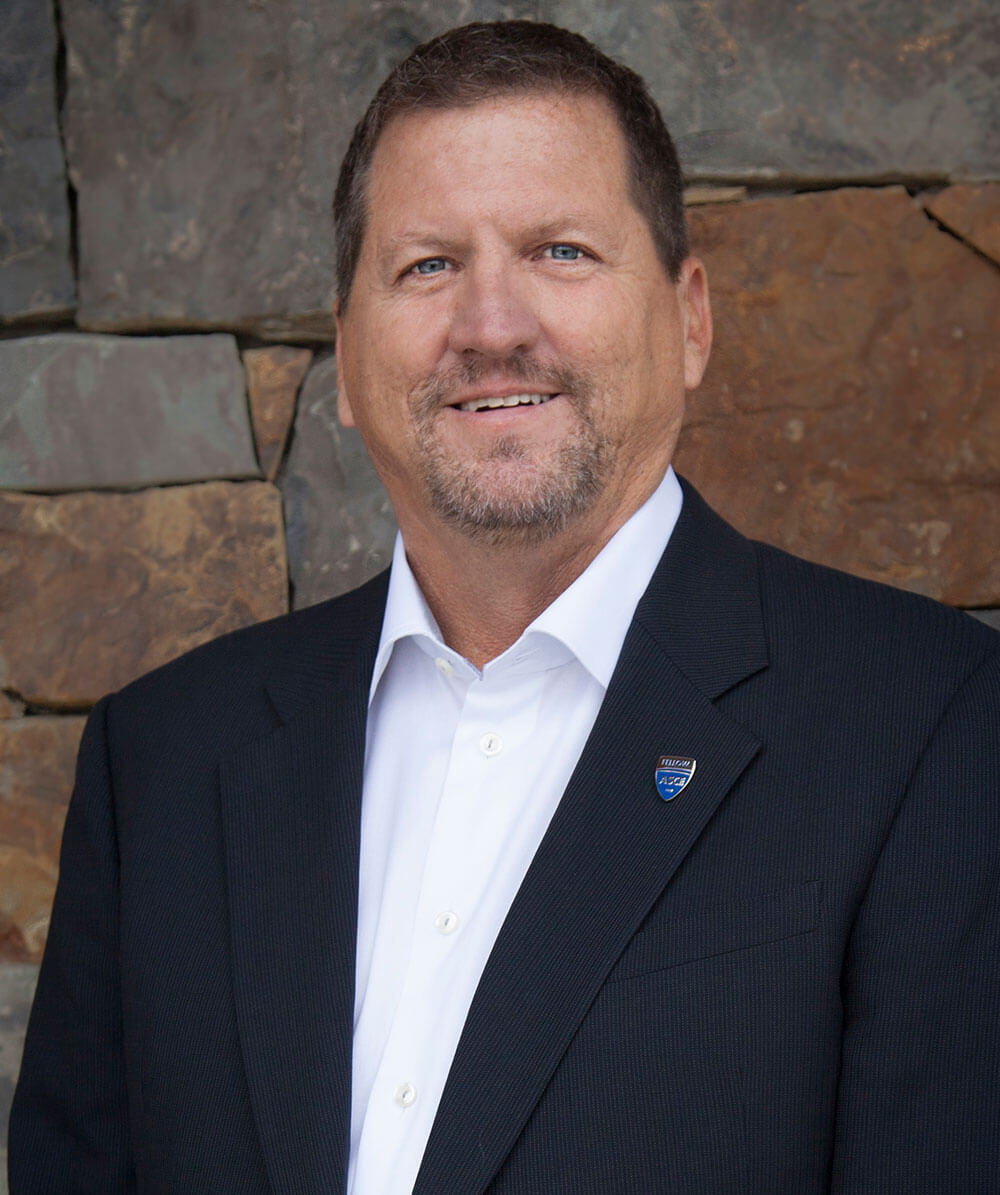
Otto Lynch, PE, F.SEI, F.ASCE
President and CEO, PLS
Insulators: More Than You Think
Selecting the correct insulators for your project involves more than just selecting an insulator out of a catalog based on voltage level and strength required. There is much more to this to see that the transmission line’s reliability is up to client and industry standards. Sizing for contamination, switching surges and lightning performance, as well as coordinating with end station BILs, are all very important aspects of selecting the correct insulator assemblies for a project. These selections may change depending on where the line is being built (i.e., elevation, lightning ground flash density (GFD), average and extreme weather conditions, contamination in the air, etc.).

David Hancock, P.E.
Transmission & Distributions Engineering Director
The Current State of the HVDC Market
Deployment of HVDC links is seeing a significant increase accompanying the proliferation of offshore wind, as well as for moving bulk power on land. In this session, we will discuss the benefits of HVDC technology and the market changes we are observing because of its growing popularity.

Varun Chhibbar, P.Eng
Project Manager

Marianne Goldsborough, P.Eng
Senior Project Manager
When the Sea Meets the Land
The ampacity challenges of offshore wind transmission across the beach. We will discuss the thermal pinch point in transmission systems crossing the beach with reference to current empirical practice, the difficulties in validating numerical methods, and some pragmatic approaches to engineering your way out of trouble.
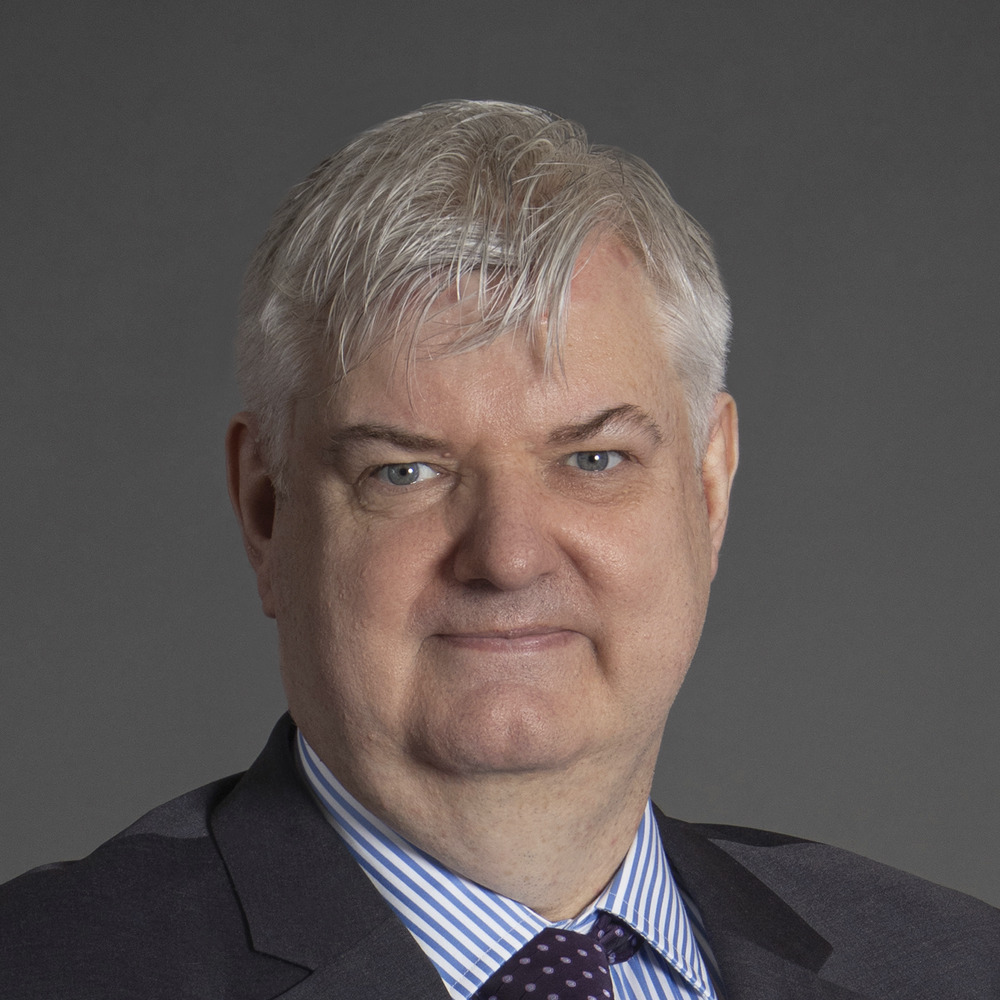
David Slee
Technical Manager
AC Interference on Collocated Pipelines
To meet an ever-growing demand for power, along with a rapid shift toward renewables, the complexity of our infrastructure continues to increase. Many of these new systems, such as pipelines and electrical transmission lines, will share a common site or right-of-way. Although collocating these lines is a cost-effective option from a land acquisition perspective, it can lead to pipeline corrosion and additional safety hazards. This presentation will focus on the mechanisms that cause AC interference on pipelines, traditional mitigation techniques that operators use to protect their assets, and how Burns & McDonnell is partnering with Ameren to take a unique and proactive approach to mitigating interference.

Frank Onesto, CP3
Section Manager - Corrosion & Integrity Services
Helical Piles
Helical piles have carried the weight of buildings and bridges for almost 200 years. They have been established as one of the most resilient, cost-effective foundation options. Incorporated into an integrated delivery approach, in-house prefabrication and installation of these structural foundations prove even more valuable, enhancing their wide-ranging benefits. This presentation will provide an overview of helical pile technology and its applications.

Matt Bauer
Associate Technical Consultant

Joe Pattison, PE
Project Manager
Direct Talk About Rock Embedment
One of the most unpredictable considerations when designing direct embed poles is the exact location of rock layers in the soil. In this presentation, we will discuss how to overcome the challenge of designing direct embed poles when rock is present, including additional coordination with transmission line engineers and pole vendors.

Paul Barker, PE
Senior Geotechnical Engineer

Bradley Gardner, PE
Senior Associate Geotechnical Engineer
Underground to Overhead Transition Riser Poles
As the power transmission industry shifts to install more underground transmission and distribution systems, the demand for transition poles from underground to overhead power systems will also increase. We will discuss the different types of structures used in the industry, the limitations of these structures, and the pitfalls to avoid when designing these interface points.

Austin Hall, PE
Transmission Engineer

LeLand Rowse
Associate Project Manager
Panel Discussion: Path to 2035 and Beyond
A panel discussion regarding the path to 2035 for the electric utility industry. Topics will include the impact of technology, evolution of the workforce, and anticipated challenges to overcome.

Justin Lightner, PE
Managing Director of Transmission
Return Periods and Cost Considerations
Return periods are a tool that the transmission line engineer can use to turn up or down the reliability of a line design. When should a higher return period be selected? How do you design a line for a higher return period? What are the cost implications of doing so? This presentation will provide an overview of how to design a transmission line for a higher return period as well as how to estimate the additional cost associated with increasing the return period.

Joe Brown, PE
Senior Civil Engineer